Coffee Grounds Could Make Concrete 30% Stronger, Study Finds
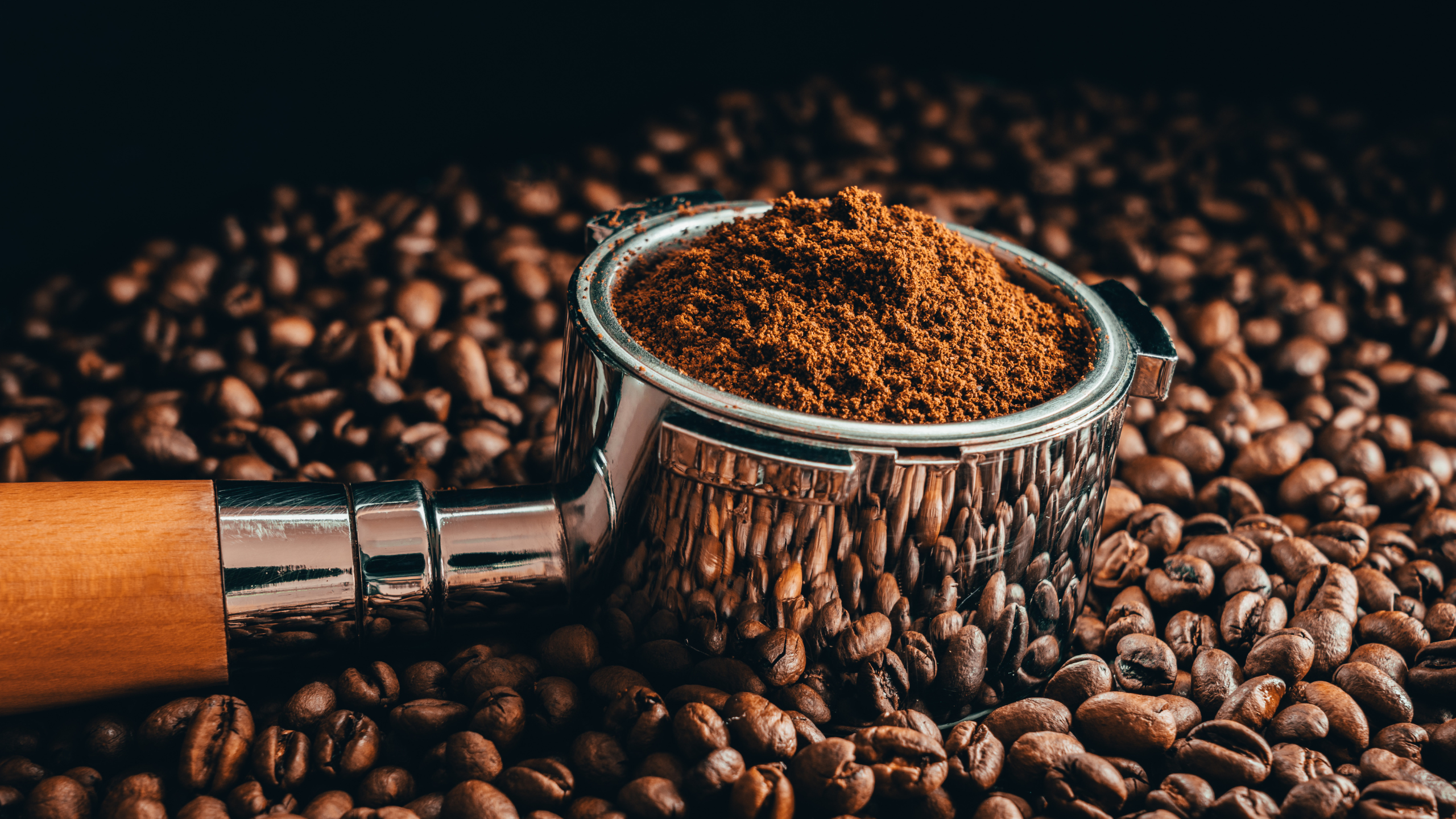
The world produces about 60 million tons of spent coffee grounds each year, most of which ends up in landfills, where it decomposes and releases methane, a potent greenhouse gas. Researchers at RMIT University in Melbourne, Australia, have found a way to turn this waste into a valuable resource. By processing coffee grounds into biochar through pyrolysis and adding it to concrete, they increased the compressive strength of the material by nearly 30 percent. The process involves heating the grounds to 350 degrees Celsius in the absence of oxygen, which transforms them into a porous, carbon-rich material that bonds well with cement. This innovation could reduce the need for natural sand, a finite resource that is increasingly scarce, and lower the carbon footprint of the construction industry. The study, published in the Journal of Cleaner Production, was led by Rajeev Roychand and Jie Li. The team is now testing the long-term durability of the concrete and exploring other uses for the biochar, such as in road bases and permeable pavements. If adopted widely, this method could divert a significant portion of coffee waste from landfills and make concrete more sustainable, offering a simple yet powerful way to turn a daily habit into a building block for the future.