Chernobyl Dogs Show Distinct Genetics After Decades in Exclusion Zone
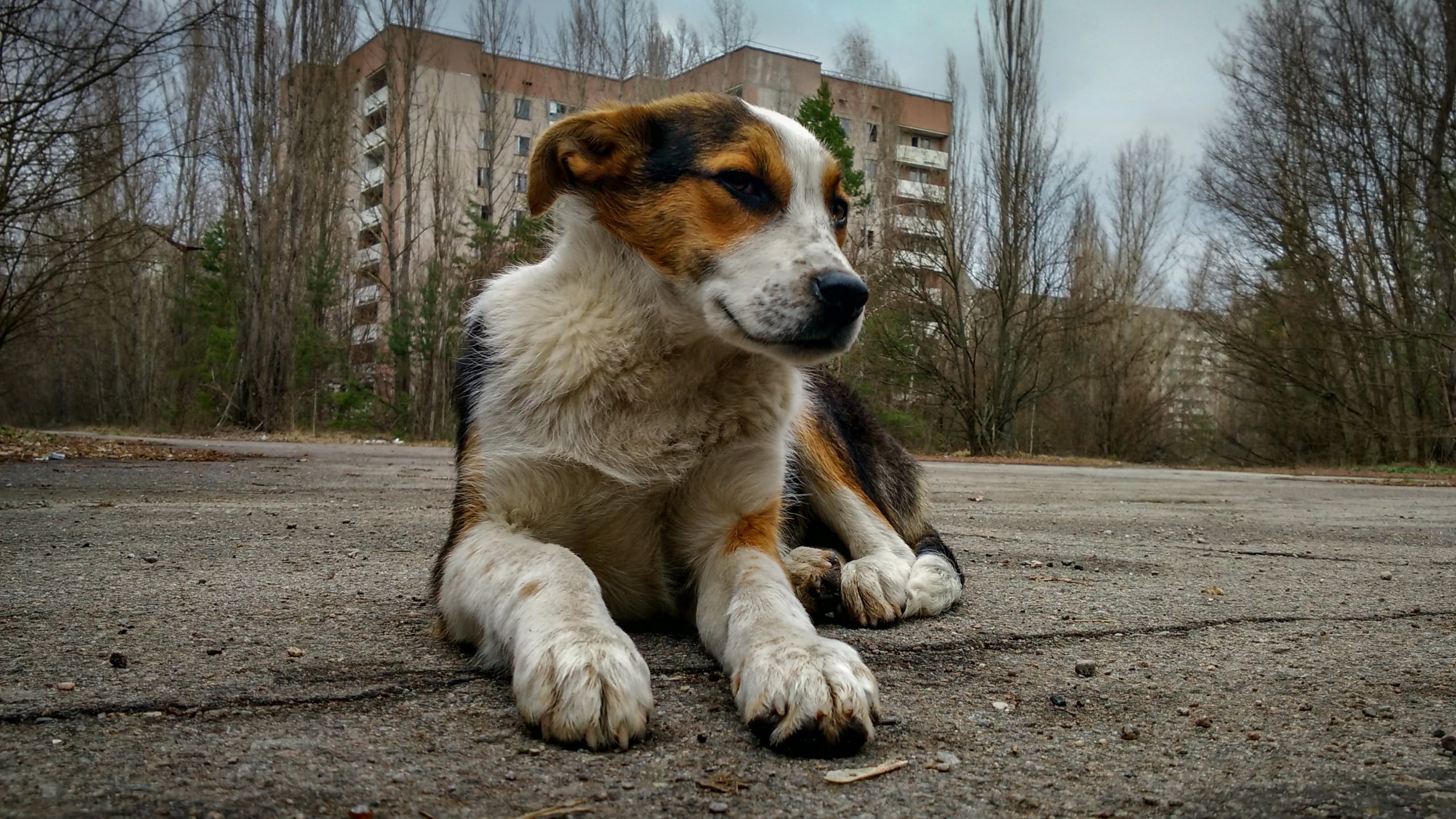
Nearly four decades after the Chernobyl nuclear disaster, the dogs living in the exclusion zone are genetically distinct from those in surrounding areas, according to new research. Scientists studying the free-roaming canine populations near the abandoned power plant in Ukraine have identified significant differences in their DNA, shedding light on how radiation and isolation may be shaping evolution. The study, which analyzed hundreds of dogs from the Chernobyl area, found that those living closest to the reactor have unique genetic markers not seen in dogs just a few miles away. This suggests that the extreme environment—marked by radiation, limited human contact, and harsh conditions—is driving rapid evolutionary changes. Understanding these adaptations could offer insights into how wildlife copes with radioactive contamination, with implications for conservation and even human health. As researchers continue to monitor these resilient animals, Chernobyl's dogs may become a living laboratory for evolution in action.