Blood Tests Offer Promising Early Alzheimer's Detection Years Before Symptoms Emerge
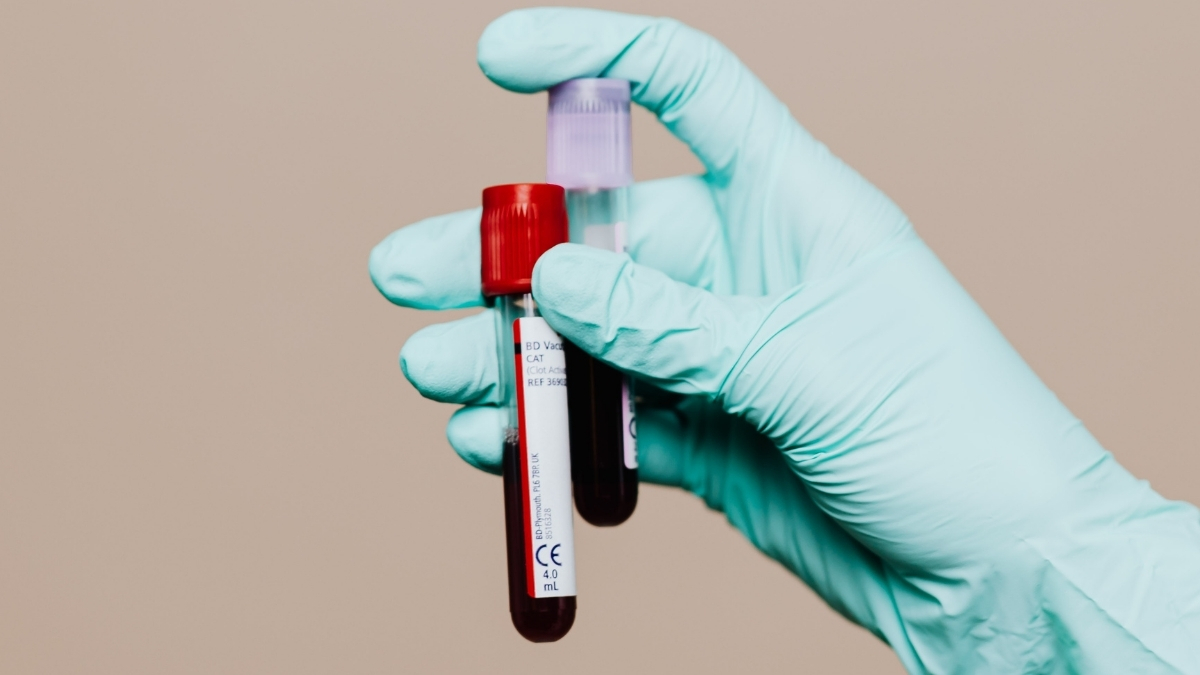
Breakthroughs in blood-based biomarker research are paving the way for early detection of Alzheimer's disease, potentially years before cognitive symptoms appear. Scientists are identifying specific proteins in the blood, such as phosphorylated tau (p-tau) variants and amyloid-beta ratios, that accurately reflect the underlying pathology of Alzheimer's, including amyloid plaques and tau tangles in the brain. This development offers a less invasive and more accessible alternative to current diagnostic methods like spinal taps and PET scans. Early detection is crucial as it opens a critical window for potential interventions and treatments aimed at slowing disease progression when they are most effective. While these blood tests are not yet standalone diagnostic tools and require further validation and standardization, they hold immense promise for revolutionizing Alzheimer's research by facilitating clinical trial recruitment and for clinical practice by enabling proactive brain health management. This advancement signifies a major step forward in the global effort to combat Alzheimer's, offering hope for improved patient outcomes and a potential shift in how the disease is managed.