Beehives Have Built-In Immune Systems That Protect the Colony with Layers of Defense
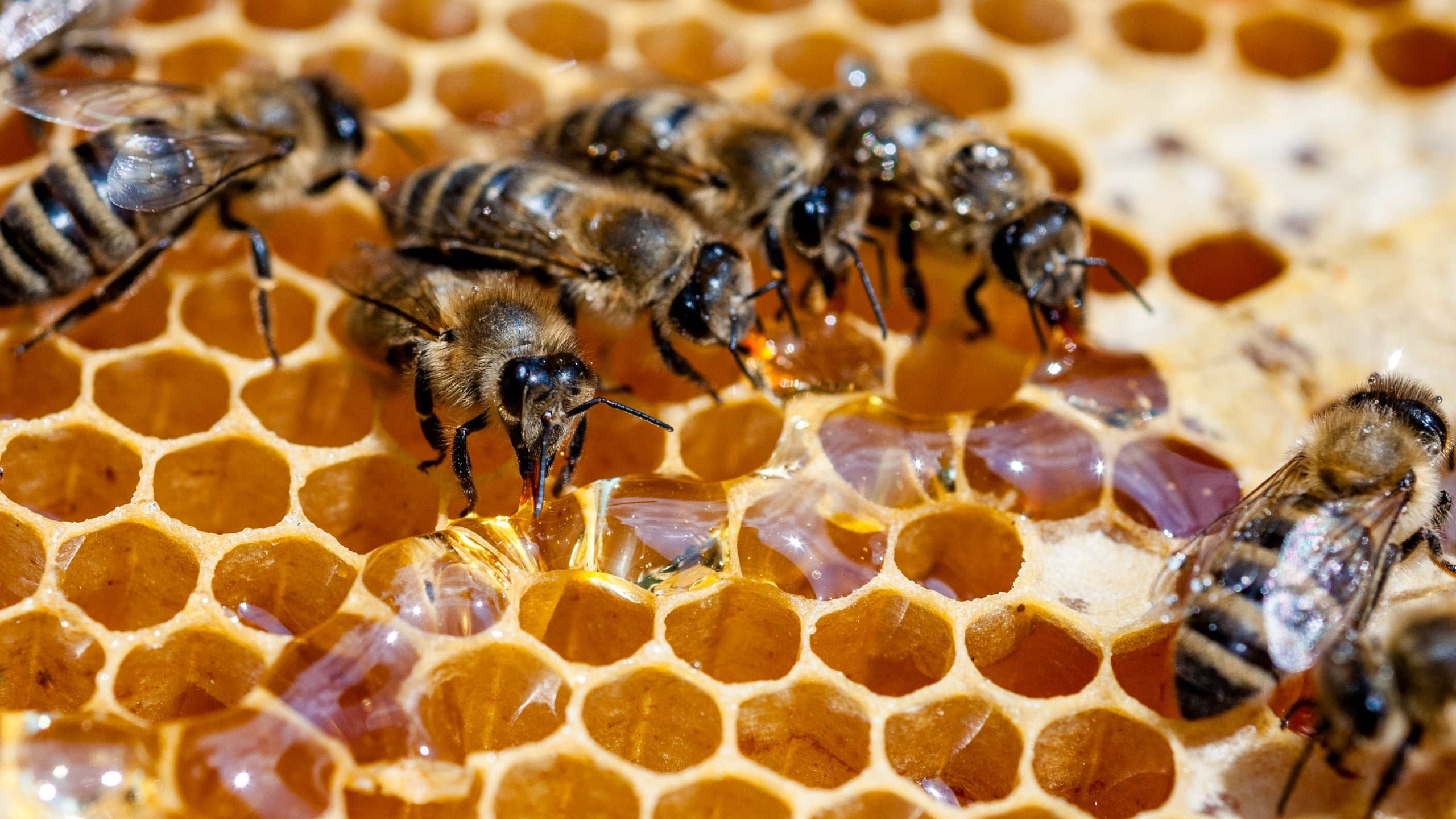
Honeybee colonies employ a sophisticated, multi-layered defense system—dubbed "social immunity"—to fend off pathogens and parasites, according to a new study highlighted by ScienceAlert. Researchers found that the hive itself acts like an immune system, with individual bees, group behaviors, and the physical structure of the comb all contributing to colony health. Key mechanisms include hygienic behavior (removing infected brood), propolis application (a resin with antimicrobial properties), and the heat generated by worker bees to kill off infections. The study, which reviewed decades of research, emphasizes that no single defense is sufficient; instead, the layers work in concert to provide robust protection. This matters because honeybees are vital pollinators for global agriculture, and understanding their natural defenses could inform strategies to combat colony collapse disorder and improve beekeeping practices. The findings also suggest that the hive's architecture—such as the hexagonal cells—may help regulate temperature and reduce pathogen spread. By learning from insect architecture, scientists hope to develop new approaches to disease management in both bees and other social organisms. The takeaway: nature's engineering offers blueprints for resilience that we are only beginning to decode.