Ancient Bolivian Mummy's Tooth Reveals Scarlet Fever Pre-dates European Contact
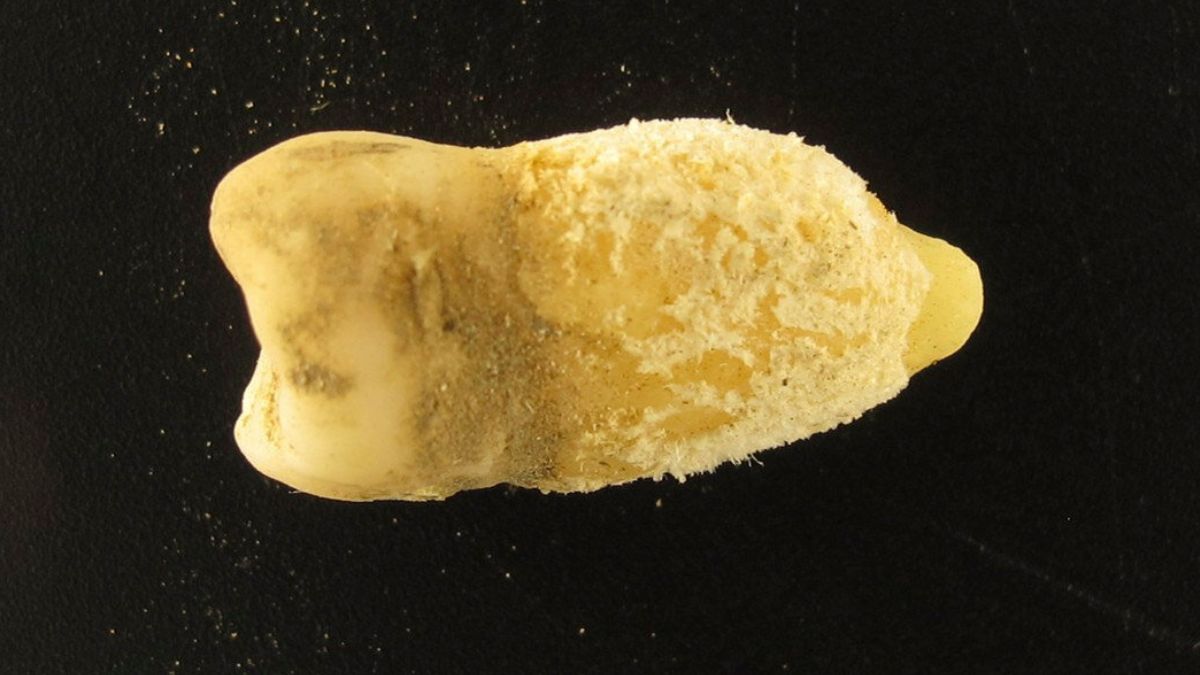
A groundbreaking study of a thousand-year-old Bolivian mummy's tooth has unearthed DNA fragments of *Streptococcus pyogenes*, the bacterium responsible for scarlet fever. This discovery challenges the long-held belief that scarlet fever was introduced to the Americas solely through the Columbian Exchange following European arrival. Employing advanced paleogenomics, researchers extracted ancient DNA from the infant's dental pulp, confirming the presence of the pathogen centuries before historical records indicate. This finding suggests *S. pyogenes* may have had an independent evolutionary history in the Americas, prompting a re-evaluation of pre-Columbian epidemiology. The research highlights the potential of ancient DNA analysis to revise our understanding of historical disease patterns and the complex interactions between human populations and pathogens over millennia. Further studies are planned to investigate the prevalence and origins of this ancient bacterial strain.