30,000-Year-Old Bone in French Cave Shows Stone Age Genetic Links Between Eastern and Western Europe
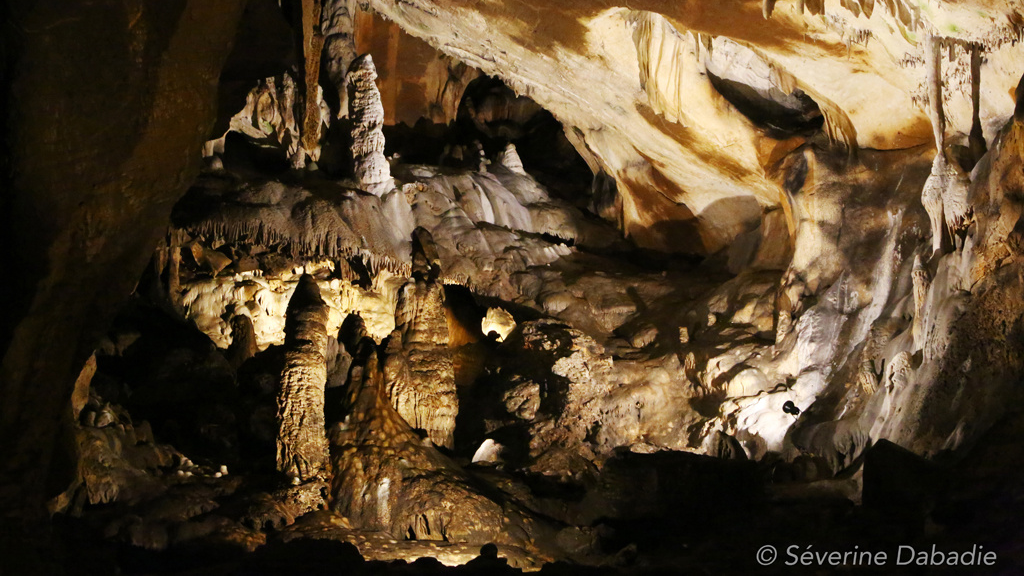
A 30,000-year-old bone discovered in a French cave has given scientists an unprecedented look into the genetic makeup of Stone Age Europeans. Researchers sequenced the genome of a woman who lived during this period and found that she carried a mix of Eastern and Western European ancestry. This discovery, published in a recent study, suggests that populations from different parts of Europe were interacting and intermingling far earlier than previously thought. The woman’s remains were found in the Grotte du Renne cave in France, a site already known for its rich archaeological record. Her genome reveals a blend of genetic lineages that were thought to have remained separate until much later in prehistory. This finding challenges long-held assumptions about the isolation of ancient human groups and indicates that migration and gene flow across the continent were common during the Upper Paleolithic era. By analyzing ancient DNA, scientists can now trace the movements and relationships of early humans with greater precision. The study highlights the power of paleogenomics to rewrite the story of human evolution. As more ancient genomes are sequenced, our understanding of how modern Europeans came to be will continue to evolve, revealing a complex web of connections across time and space.