3-Year-Old's Rare Metastatic Neuroblastoma Vanishes After Two Doses of Experimental CAR-T Therapy – Breakthrough in Pediatric Cancer Treatment
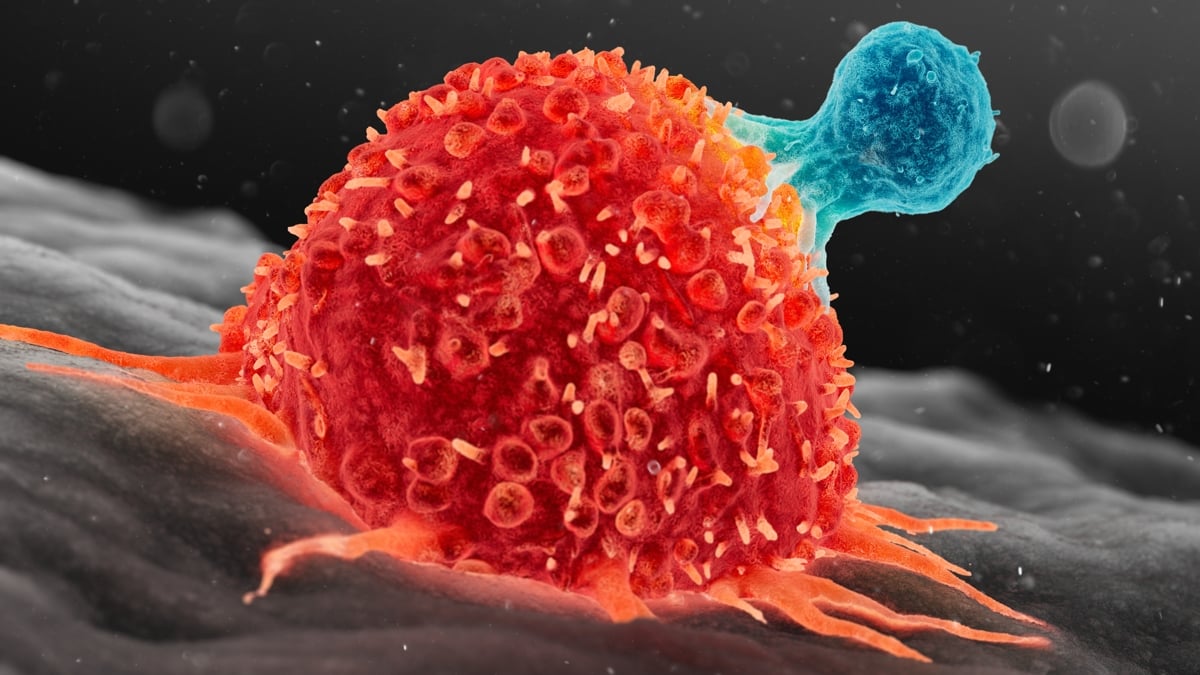
A groundbreaking case in pediatric oncology has emerged after a 3-year-old girl from the United States, diagnosed with high-risk metastatic neuroblastoma, experienced complete remission following just two doses of an experimental CAR-T cell therapy. The treatment, developed by researchers at the University of Pennsylvania and Children’s Hospital of Philadelphia (CHOP), targeted the GD2 antigen—a protein highly expressed on neuroblastoma cells—marking a significant leap in precision immunotherapy for childhood cancers. Unlike traditional treatments that rely on chemotherapy and radiation, this novel approach reengineered the child’s own T-cells to recognize and destroy cancer cells with unprecedented specificity. The patient, whose tumor had spread to bones and bone marrow, showed no detectable disease after treatment, a result that has stunned the medical community. This milestone underscores the transformative potential of next-generation cellular therapies, especially for rare and aggressive pediatric cancers where survival rates remain stubbornly low. With only about 10% of children with metastatic neuroblastoma surviving long-term, the success of this trial offers renewed hope. As clinical trials expand, experts emphasize the need for broader access and faster regulatory pathways. The future of childhood cancer care may hinge on such targeted, personalized approaches—and this single case could be the spark for a new era in oncology.