115-Million-Year-Old Dinosaur Fossil Yields Possible Blood Cells, Scientists Report
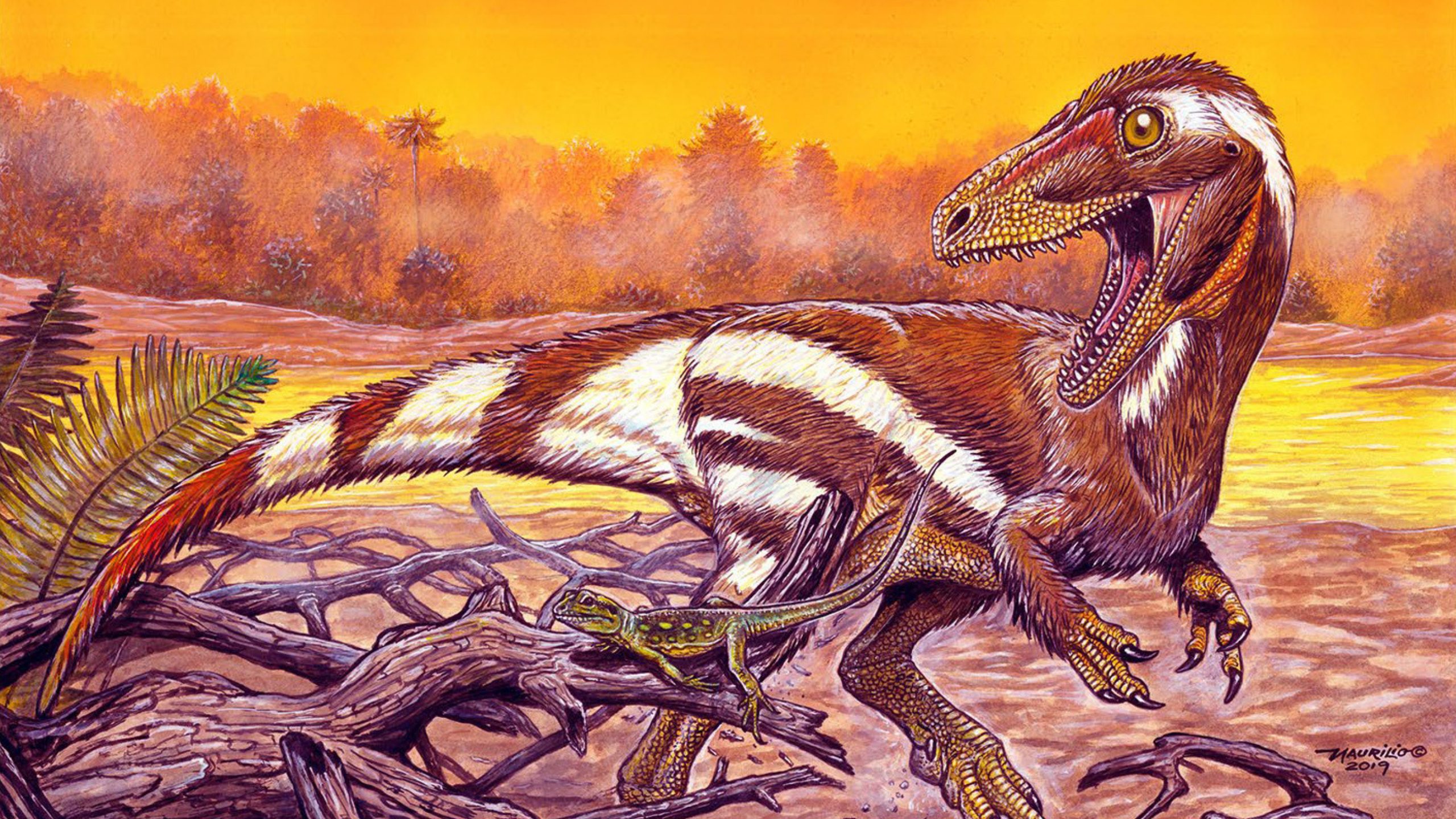
Researchers analyzing a 115-million-year-old dinosaur fossil have detected structures that appear to be original blood cells, a finding that could reshape our understanding of how organic material survives deep time. The fossil, from the Early Cretaceous period, was examined using advanced microscopy and chemical analysis, revealing cell-like features with possible remnants of original biological molecules. While the team, whose work is detailed in a peer-reviewed study, stops short of claiming intact DNA, the discovery suggests that soft tissue preservation may be more common than previously thought. This matters because recovering original biomolecules from dinosaurs could offer unprecedented insights into their physiology, evolution, and even behavior. The findings build on a growing body of evidence that fragile structures can persist for tens of millions of years under the right conditions. The next step is to confirm whether these structures contain original proteins or other molecular signatures, which could open new avenues in paleontology and beyond.