115-Million-Year-Old Dinosaur Fossil May Contain Ancient Blood Traces, Study Claims
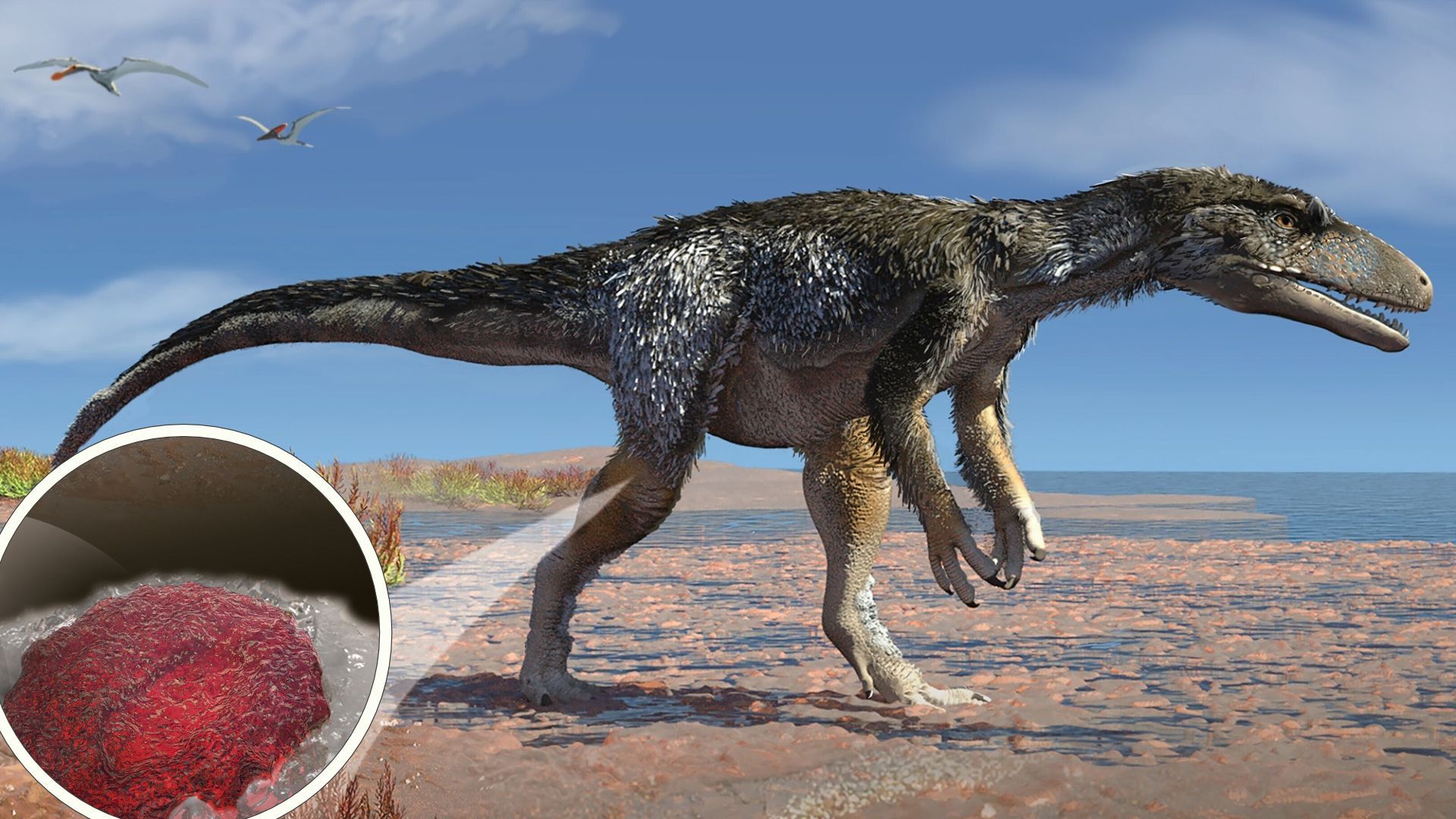
A new study suggests that chemical signatures found in a 115-million-year-old dinosaur bone from Brazil could be preserved red blood cells. The fossil, likely from a theropod, was analyzed using advanced spectroscopy and microscopy techniques, revealing structures and iron compounds consistent with blood remnants. Researchers say the findings could reshape our understanding of how soft tissues survive fossilization over geologic time. However, not all experts are convinced—some argue the features may be mineral deposits or microbial biofilms. The debate highlights the challenges of identifying original organic material in fossils this old. If confirmed, the discovery would be a rare example of soft tissue preservation from the Mesozoic era, offering new insights into dinosaur physiology and evolution.