Webb Telescope Discovers Unexpectedly Abundant 'Building Blocks of Life' in Nearby Galaxy
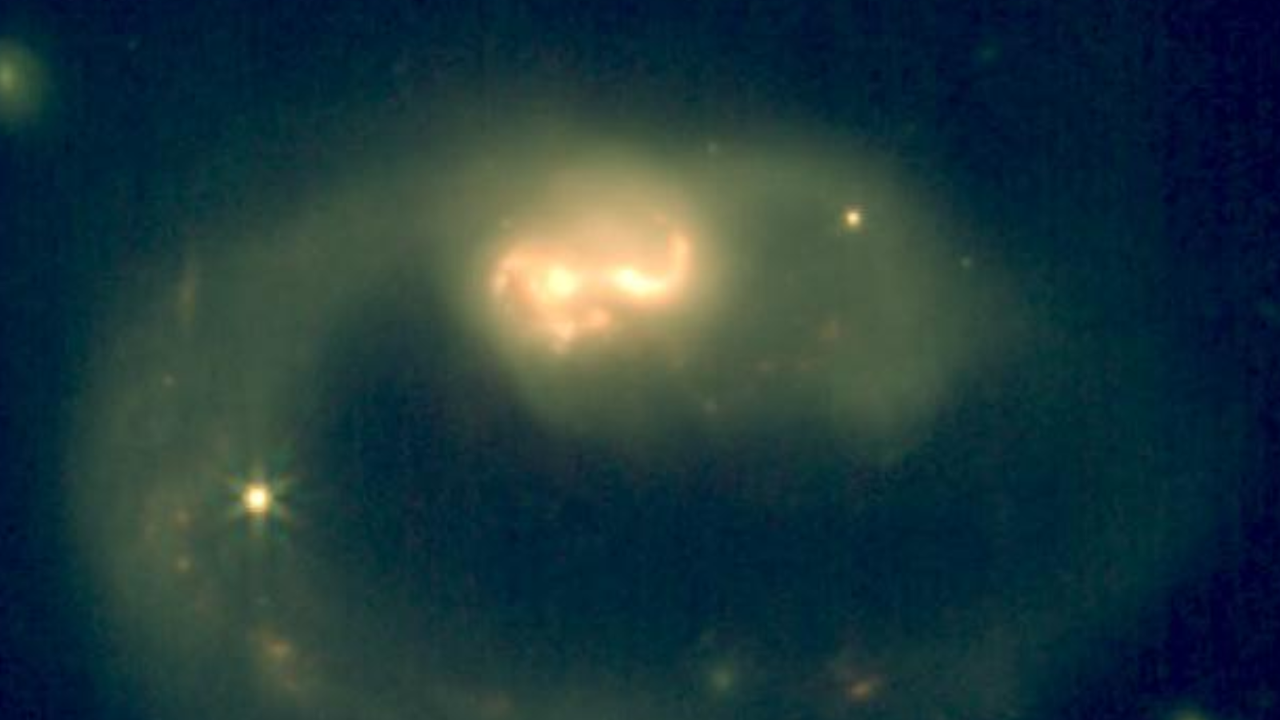
The James Webb Space Telescope (JWST) has detected a surprisingly high concentration of complex organic molecules, identified as precursors to the building blocks of life, in the star-forming region of the Iris Nebula (NGC 7023). These molecules, primarily polycyclic aromatic hydrocarbons (PAHs), were found in abundances far greater than current astrophysical models predict for such an environment. This groundbreaking discovery challenges existing theories on interstellar chemistry and suggests that the raw ingredients for life may be more widespread throughout the universe than previously understood. The JWST's advanced infrared capabilities allowed for detailed spectral analysis, revealing a rich variety of PAHs. Researchers believe these findings indicate that the processes forming these crucial organic compounds are highly efficient, even in the harsh conditions near young stars. The implications for astrobiology are profound, suggesting that planets forming elsewhere could be readily seeded with the chemical foundations necessary for life's emergence, potentially increasing the likelihood of life arising beyond Earth.