Jupiter May Be Smaller Than Thought: New Size Measurements Could Reshape Planetary Science
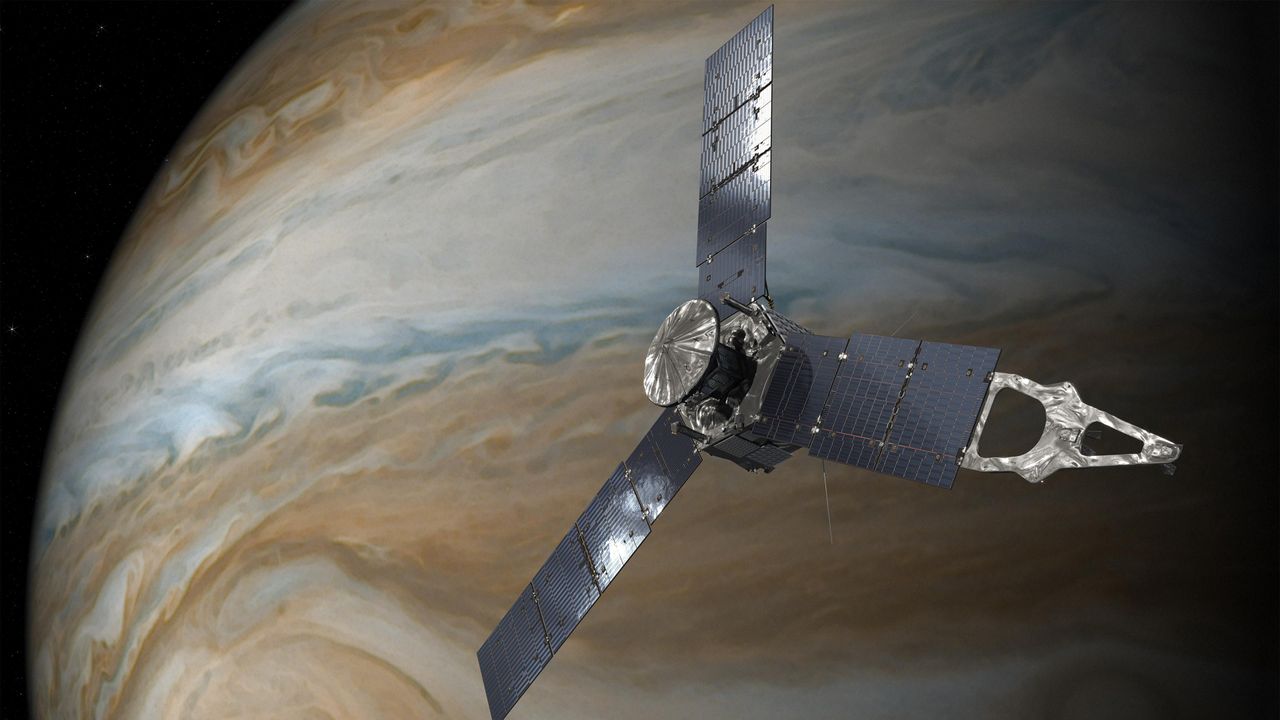
Recent, highly precise measurements suggest that Jupiter may be slightly smaller than previously estimated, a finding with significant implications for planetary science. For decades, Jupiter's radius has been accepted at approximately 69,911 kilometers, but new data, potentially from missions like Juno, indicates a diameter potentially a few hundred kilometers less. This discrepancy could force scientists to recalibrate their models of Jupiter's internal structure, density, and mass distribution. Such adjustments are crucial for understanding the extreme conditions within gas giants and are fundamental to theories of planetary formation, including how Jupiter itself formed via core accretion. A smaller Jupiter might necessitate revisions to how quickly it formed or its extent of migration in the early solar system. The ongoing analysis of data from advanced missions continues to refine our understanding of this gas giant, promising a more nuanced view of its composition and evolution, and contributing to the broader study of exoplanets.