Space Travel's Lasting Grip: How Microgravity Weakens Astronauts' Hands and Implications for Earth
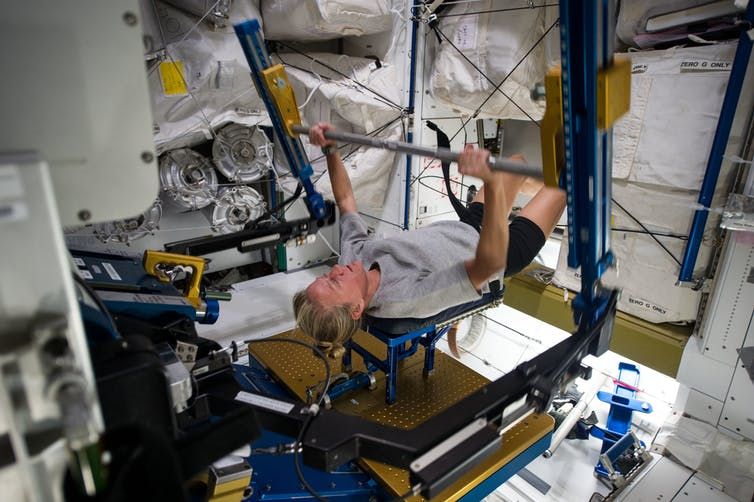
New research reveals that prolonged exposure to microgravity during space missions can lead to a persistent weakening of astronauts' grip strength, impacting their physical capabilities even after returning to Earth. This phenomenon is not solely due to muscle atrophy but also involves significant neural recalibration within the brain, where motor control pathways adapt to the absence of gravity. Scientists are finding that this neural reorganization can hinder the full recovery of grip strength, posing challenges for astronauts performing demanding tasks and for mission safety during long-duration spaceflights. The study’s findings have broader implications for rehabilitation on Earth, suggesting that therapies for conditions affecting grip strength, such as stroke or age-related muscle loss, may need to incorporate neural retraining alongside conventional exercises. As space exploration advances, developing specialized countermeasures to combat these lasting effects will be crucial for astronaut health and the success of future deep-space missions.