Why Warner Bros.' The Shining Stands as a Masterful Stephen King Adaptation
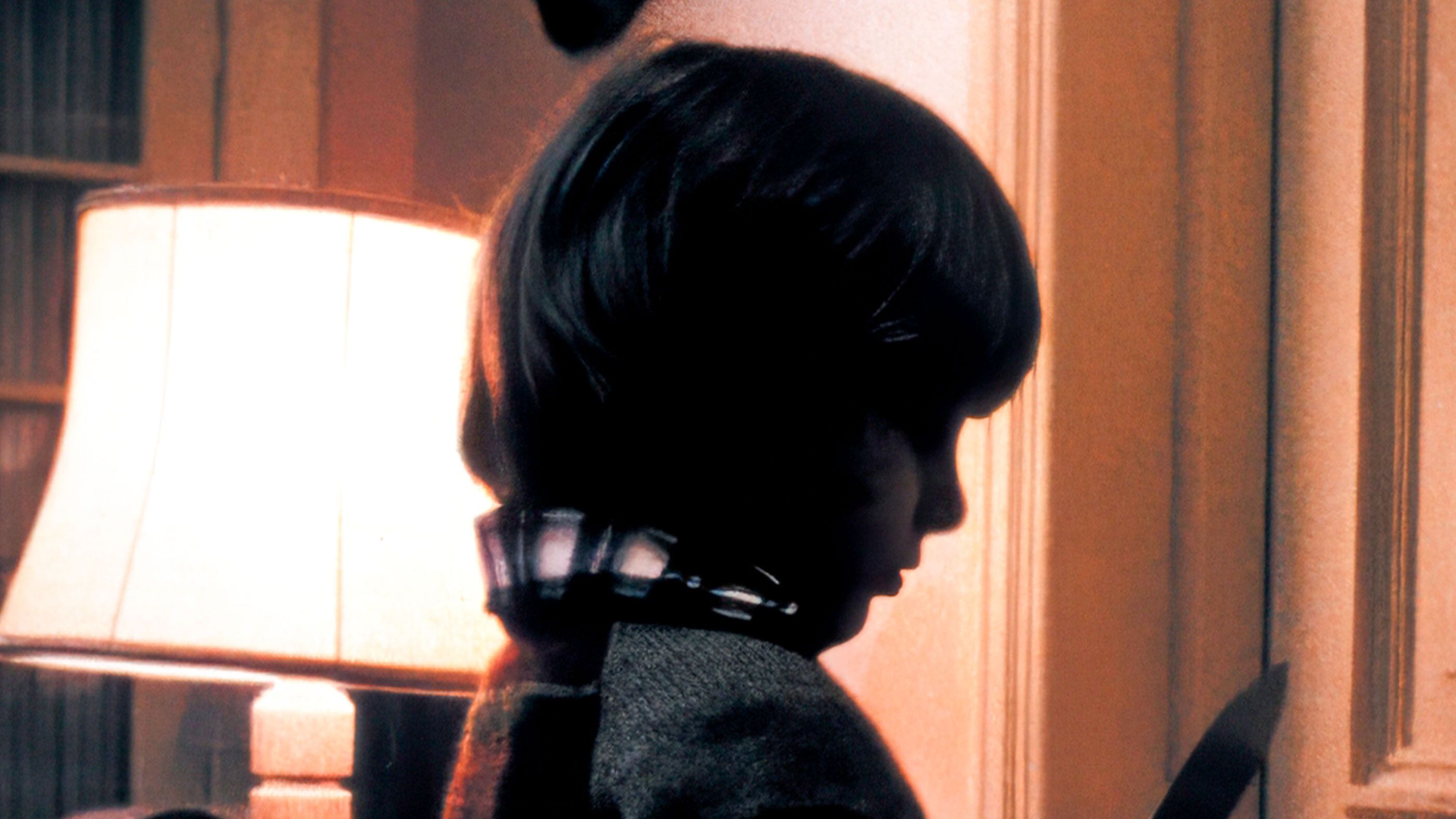
Stephen King famously disavowed Stanley Kubrick's 1980 film The Shining, but Warner Bros.' adaptation has endured as a landmark in horror cinema. King's objections centered on deviations from his 1977 novel, yet the movie's chilling atmosphere, iconic performances by Jack Nicholson and Shelley Duvall, and Kubrick's meticulous direction have cemented its legacy. The Overlook Hotel, with its labyrinthine corridors and haunting symmetry, became a character in itself, influencing countless films that followed. Despite the author's criticism, The Shining regularly tops lists of greatest horror movies, proving that a bold reinterpretation can transcend its source material. Warner Bros. took a risk by entrusting Kubrick with creative freedom—a decision that paid off culturally and commercially. The film's slow-burn dread and ambiguous supernatural elements still spark debate, keeping it relevant decades later. For studios, it remains a case study in balancing artistic vision with audience expectations. As King's own adaptations continue to proliferate, The Shining stands as a reminder that sometimes the most difficult source material yields the most unforgettable results.