Why Sergio Corbucci's Controversial '60s Western Remains a Must-See Genre Classic
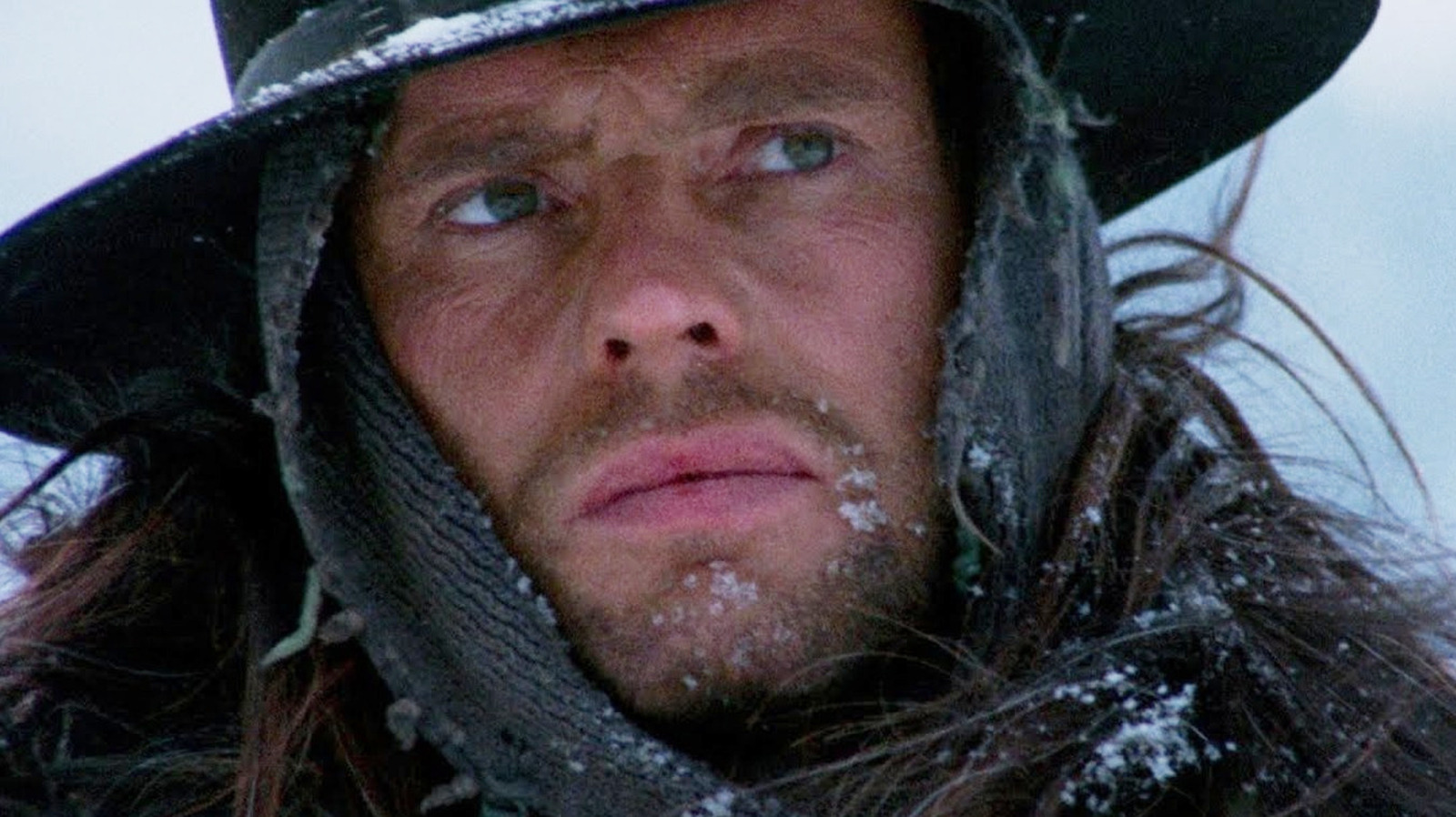
Sergio Corbucci's 1966 film 'The Great Silence' stands as one of the most daring entries in the Spaghetti Western canon, yet it remains underseen compared to the works of Sergio Leone. Shot in the snow-covered Italian Dolomites, the movie subverts the genre's heroic tropes with a relentlessly bleak finale that shocked audiences and limited its initial distribution. Corbucci, already known for 'Django,' pushed further into political allegory, casting Jean-Louis Trintignant as a mute gunslinger who defends a group of outlaws against bounty hunters led by Klaus Kinski's sadistic Loco. The film's unflinching depiction of corruption and class warfare resonated with 1960s counterculture but proved too nihilistic for mainstream Western fans. Today, film historians rank it alongside 'Once Upon a Time in the West' for its visual poetry and moral complexity. With a recent 4K restoration and a Criterion Collection release, 'The Great Silence' is finally earning recognition as a masterpiece that redefined what a Western could say about justice and survival. Its influence can be seen in later revisionist Westerns and even Quentin Tarantino's 'The Hateful Eight.' For anyone seeking a Western that trades gunfights for existential dread, Corbucci's snowbound tragedy is essential viewing.