How Clint Eastwood's 'High Plains Drifter' Redefined the Western and His Own Persona
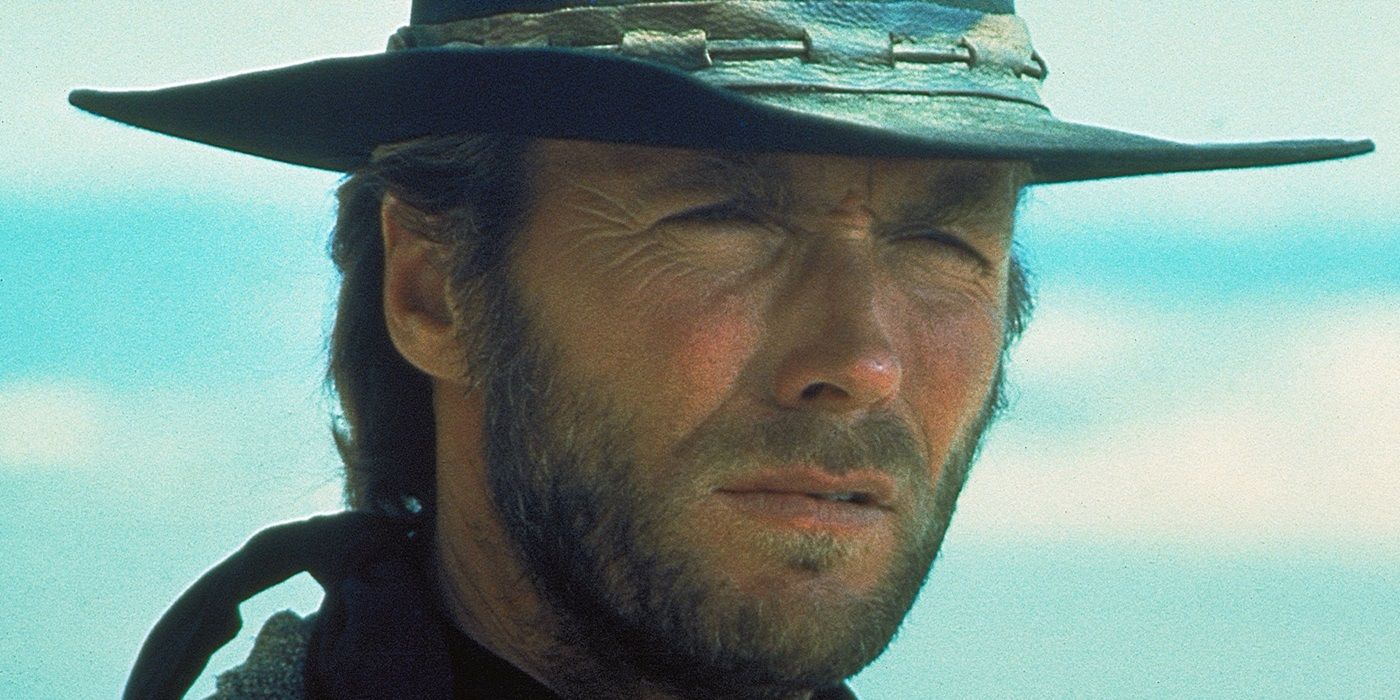
Clint Eastwood's 1973 neo-Western 'High Plains Drifter,' directed by the star himself, marked a significant turning point in his career and the evolution of the Western genre. Moving beyond the iconic 'Man with No Name,' Eastwood portrayed a mysterious, enigmatic stranger arriving in the corrupt town of Lago, embodying a darker, more ambiguous force of vengeance. The film's surreal atmosphere, stark visuals, and exploration of sin, guilt, and retribution set it apart from traditional Westerns. Eastwood's assured direction amplified the unsettling themes, utilizing the desolate landscape to enhance the psychological dread. 'High Plains Drifter' embraced revisionist Western ideals, deconstructing frontier myths and resonating with a changing societal landscape. Its critical success and thematic depth empowered Eastwood to further explore complex characters and narratives, solidifying his status as a nuanced actor and visionary director, forever changing his on-screen persona and influencing the genre.