Martin McDonagh on Art’s Power to Change the World—and Why Murder Still Wins
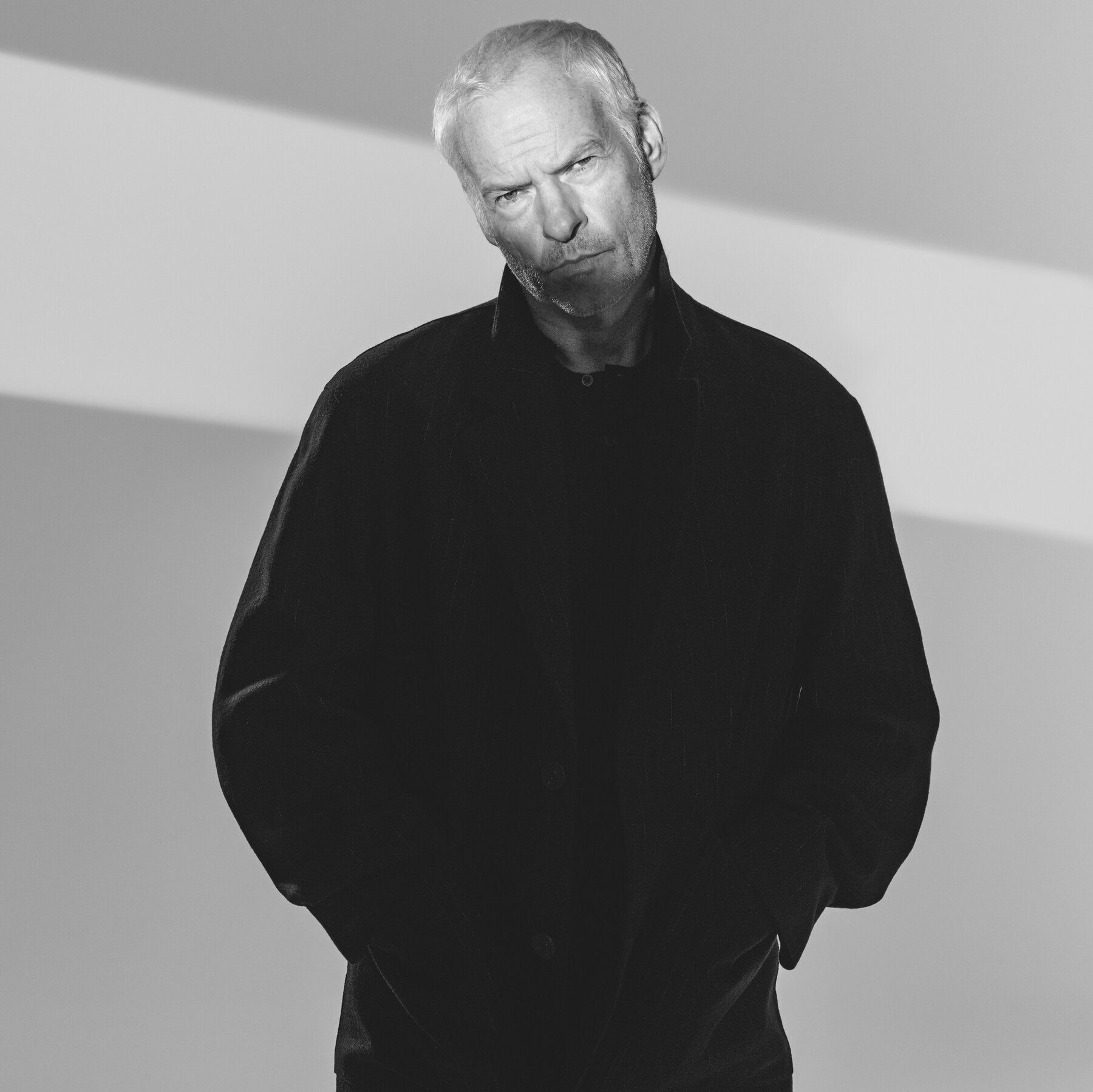
Martin McDonagh, the acclaimed writer-director behind darkly comic films like In Bruges and Three Billboards Outside Ebbing, Missouri, has built a career on exploring violence, morality, and the limits of redemption. In a recent reflection, McDonagh argues that while art—especially cinema—can profoundly change individual lives and shift cultural conversations, it still pales in comparison to the immediate, irreversible impact of murder. He points to the way a single violent act can ripple through communities, altering politics and personal destinies overnight, whereas a film’s influence is slower, subtler, and often contested. McDonagh’s own work repeatedly tests this tension: his characters commit terrible acts, yet the audience is asked to find empathy or at least understanding. For him, storytelling is a moral exercise, but he remains skeptical that any screenplay can match the brutal clarity of real-world violence. This perspective matters because it challenges the entertainment industry’s self-congratulation and forces viewers to consider what art can realistically achieve in an age of mass shootings and political murder. Ultimately, McDonagh suggests that while filmmakers should keep trying to change hearts and minds, they must also acknowledge the darker forces that shape history more decisively. The next time you watch a McDonagh film, ask yourself: is the violence on screen a mirror, a warning, or just a story?