HBO's 'The Last of Us' Proves High Fantasy Can Thrive Without Game of Thrones’ Edge
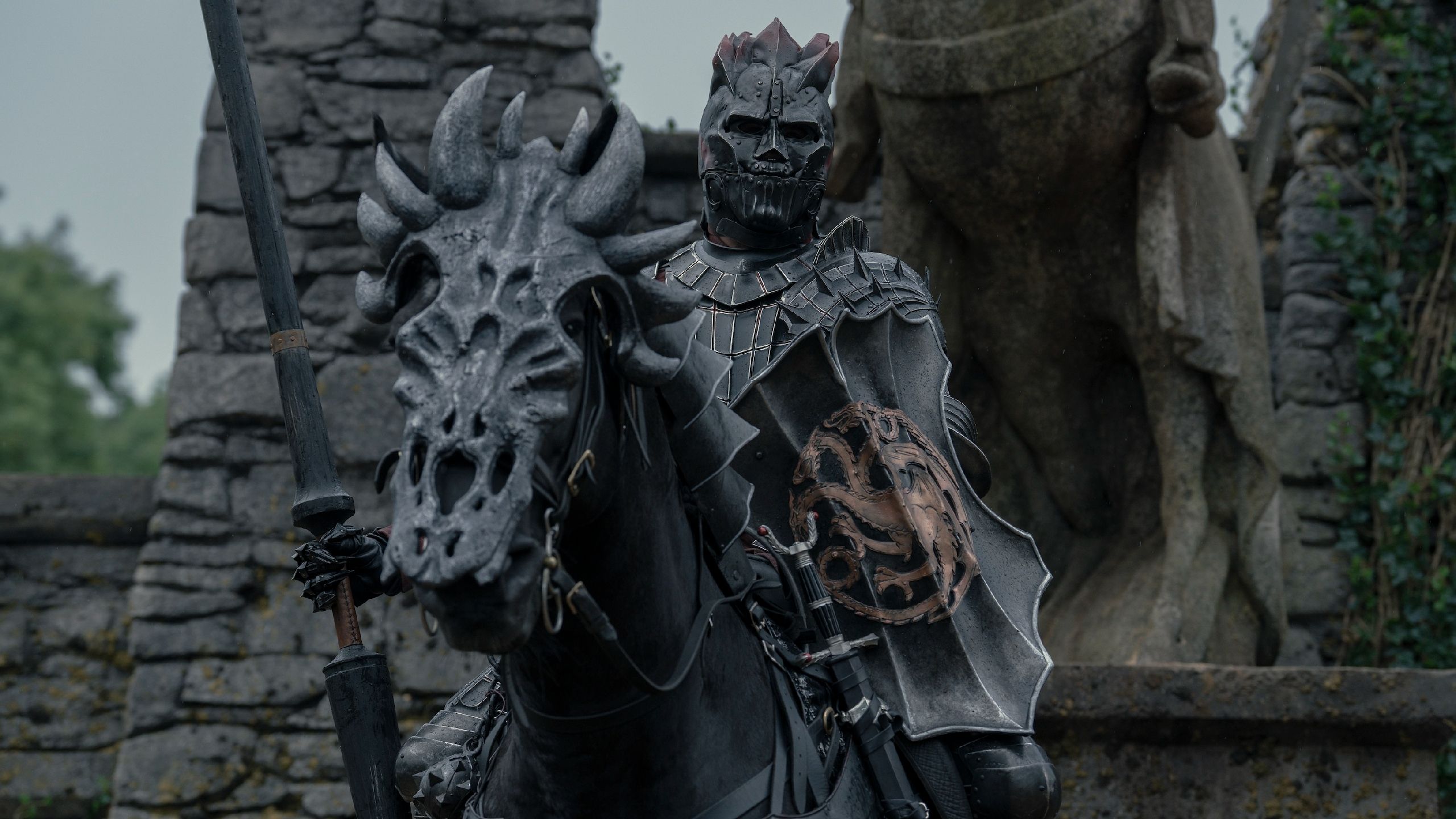
While HBO’s 'Game of Thrones' redefined high fantasy with its gritty realism and moral ambiguity, the network’s recent breakout series 'The Last of Us' has quietly carved a different path—one rooted in emotional depth, character-driven storytelling, and human resilience. Created by Craig Mazin and Neil Druckmann, the show transcends genre tropes by focusing on the bond between Joel (Pedro Pascal) and Ellie (Bella Ramsey), set against a post-apocalyptic world ravaged by a fungal infection. Unlike its predecessor, 'The Last of Us' avoids gratuitous violence and political intrigue, instead emphasizing vulnerability, sacrifice, and hope. What makes this shift significant is its commercial and critical success: the series earned over 10 million viewers per episode during its first season and received widespread acclaim, including multiple Primetime Emmy nominations. This proves that audiences crave authenticity over shock value. By prioritizing narrative integrity and emotional truth, 'The Last of Us' challenges the industry’s obsession with replicating 'Game of Thrones’ formula—showing that fantasy can be both epic and intimate. As streaming platforms continue to greenlight fantasy projects, 'The Last of Us' stands as a blueprint for what’s possible when creators choose heart over hype. Its legacy may not be measured in dragons or thrones, but in the quiet power of a single moment shared between two survivors. The future of fantasy might just be quieter—but no less transformative.