Alien (1979): Could Ripley Have Saved the Nostromo Crew by Enforcing Quarantine?
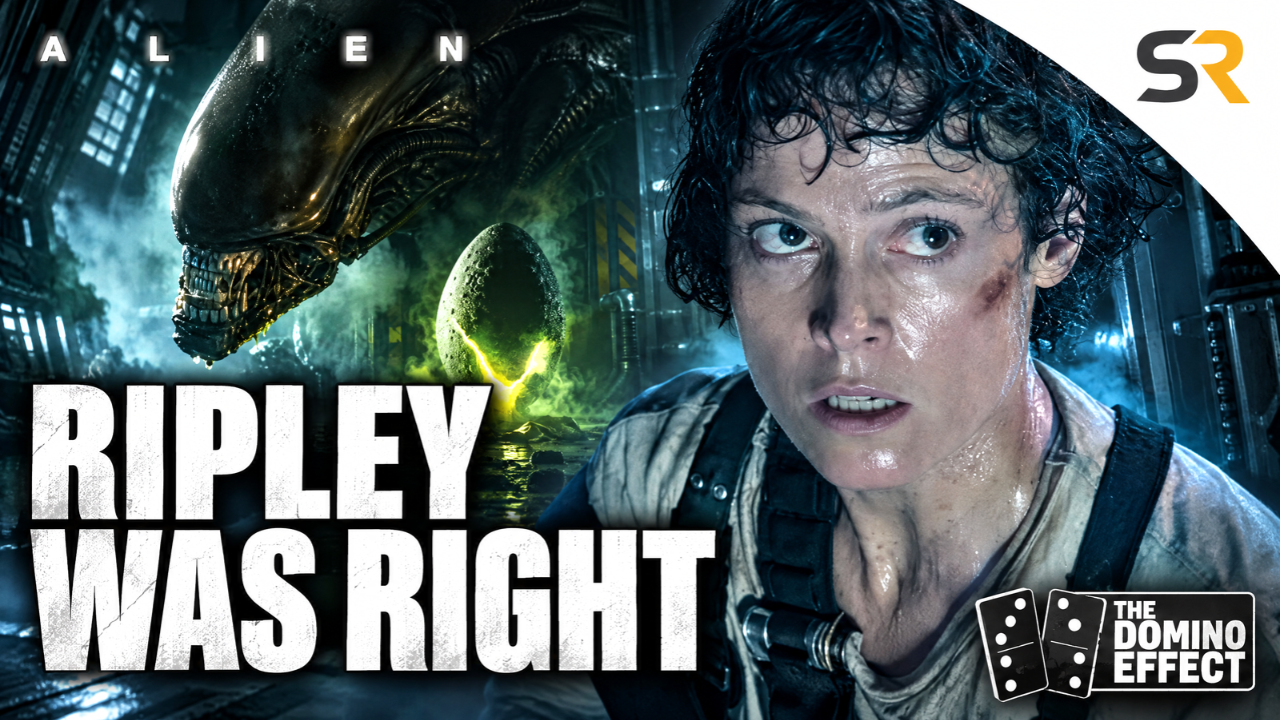
In Ridley Scott’s 1979 sci-fi horror classic Alien, Warrant Officer Ellen Ripley makes a pivotal choice: she refuses to let Kane, Dallas, and Lambert back aboard the Nostromo after their encounter with the alien facehugger, citing quarantine protocol. But Science Officer Ash overrides her, opening the hatch and setting the stage for disaster. Could Ripley have saved the crew if her order had been followed? The film’s tension hinges on this moment, raising questions about authority, corporate greed, and the value of individual lives versus the mission. The Nostromo’s crew of seven—including Captain Dallas, Kane, Lambert, Parker, Brett, and Ash—face a relentless xenomorph that picks them off one by one. Ripley’s decision is not just about protocol; it’s a moral stand that pits her against Ash’s hidden agenda to preserve the alien for the Company. The ‘why it matters’ extends beyond the film: it’s a timeless lesson in risk management and the consequences of ignoring expert warnings. While some argue the alien would have found another way aboard, the quarantine breach is the direct catalyst for the horror that unfolds. Ultimately, Alien endures because it forces us to ask: when every second counts, should one person’s judgment outweigh the many? The answer may be more terrifying than the creature itself.