9 Classic X-Men Storylines That Still Resonate—Despite Aging Narratives
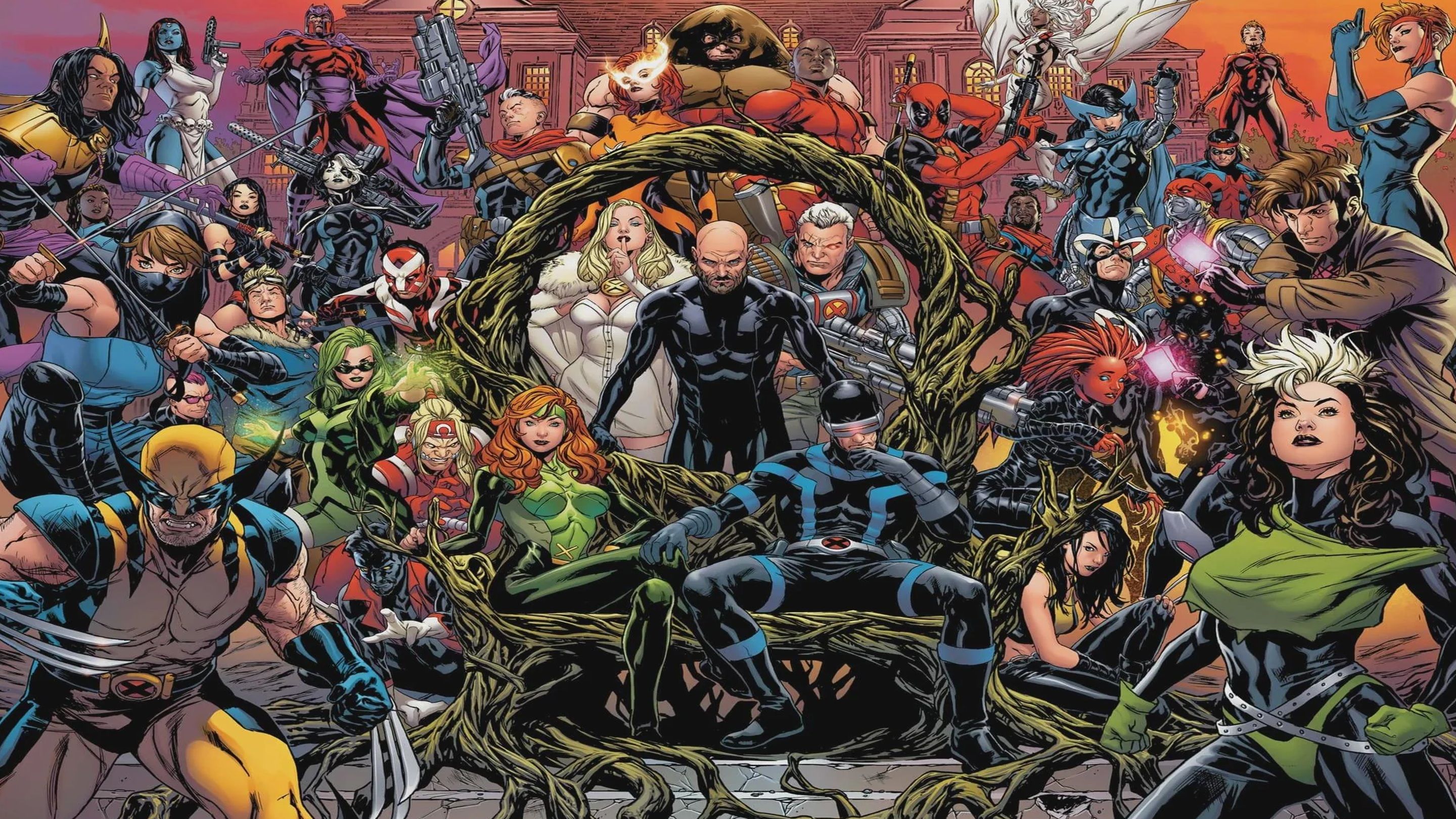
Marvel’s X-Men franchise, a cornerstone of superhero storytelling since the 1960s, continues to shape modern comics and pop culture. While some story arcs like 'The Mutant Massacre' (1986) and 'Days of Future Past' (1981) have aged with mixed reviews due to outdated tropes and racial allegories, their emotional core remains powerful. Characters such as Professor Charles Xavier, Magneto, Wolverine, and Storm remain central figures whose ideological clashes reflect real-world tensions on identity, power, and prejudice. These narratives, though rooted in decades-old context, still influence today’s creators and audiences seeking deeper meaning in superhero tales. The enduring legacy of arcs like 'Mutant Genesis' and 'Fall of the Mutants' lies not in their flawless execution but in their bold exploration of societal fear and marginalization. With over 30 million X-Men comic issues sold globally since the 1970s, these stories helped establish mutants as metaphors for oppressed communities—a theme that continues to evolve. Even as Marvel reboots certain elements, original versions retain cultural significance, particularly in how they mirror historical civil rights struggles and contemporary debates around diversity and inclusion. Why it matters: These classic storylines are more than nostalgia—they’re foundational texts in understanding how superhero fiction can serve as social commentary. As new generations discover the X-Men through series like 'X-Men: Blue' and 'X-Men: From the Ashes,' revisiting the originals offers insight into both progress and pitfalls in representation. The X-Men’s past isn’t just a relic—it’s a living conversation about who belongs, and who gets to tell their story.