8 Literary Masterpieces Hollywood Can't Adapt: The Unfilmable Canon Explained
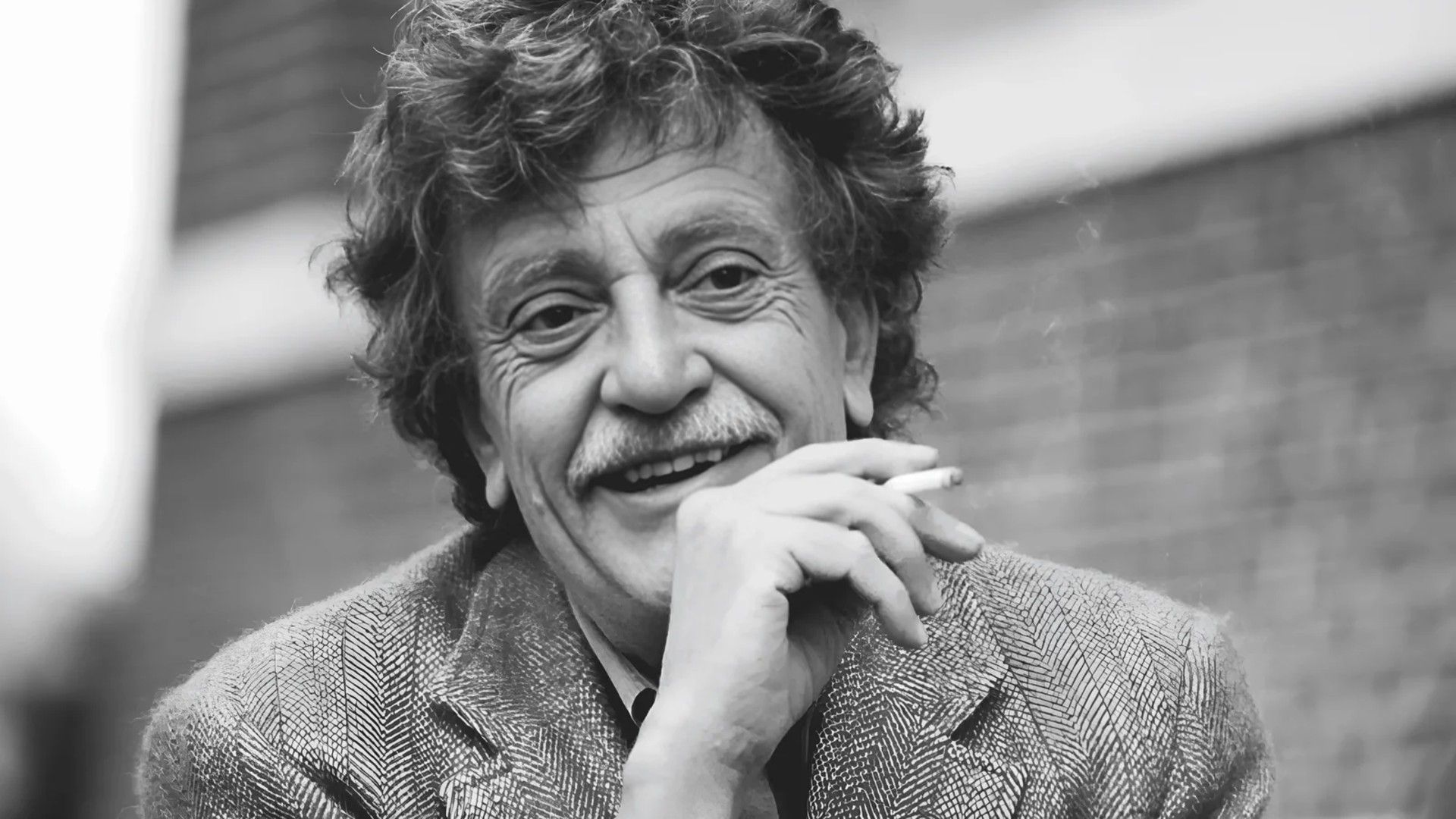
Hollywood's quest for compelling stories often leads it to literature, yet several acclaimed novels remain notoriously difficult to adapt for the screen. This article explores eight such 'unfilmable' classics, including James Joyce's "Finnegans Wake," Thomas Pynchon's "Gravity's Rainbow," and David Foster Wallace's "Infinite Jest." The challenges range from linguistic density and complex, non-linear narratives to profound thematic explorations and radical formal experimentation. Novels like Cormac McCarthy's "Blood Meridian" and William Faulkner's "The Sound and the Fury" grapple with visceral brutality and subjective consciousness, respectively, while Mikhail Bulgakov's "The Master and Margarita" and Mark Z. Danielewski's "House of Leaves" present intricate satirical and metafictional labyrinths. Günter Grass's "The Tin Drum" adds surrealism and historical weight to the mix. These works, while revered for their literary merit, defy easy translation into a visual medium, highlighting the enduring gap between the written word's abstract power and cinema's concrete demands. The inherent complexities often clash with Hollywood's commercial imperatives, leaving these masterpieces in a unique category of enduring literary fascination.