49 Years Ago, The Shining Redefined Horror and Still Haunts Readers Today
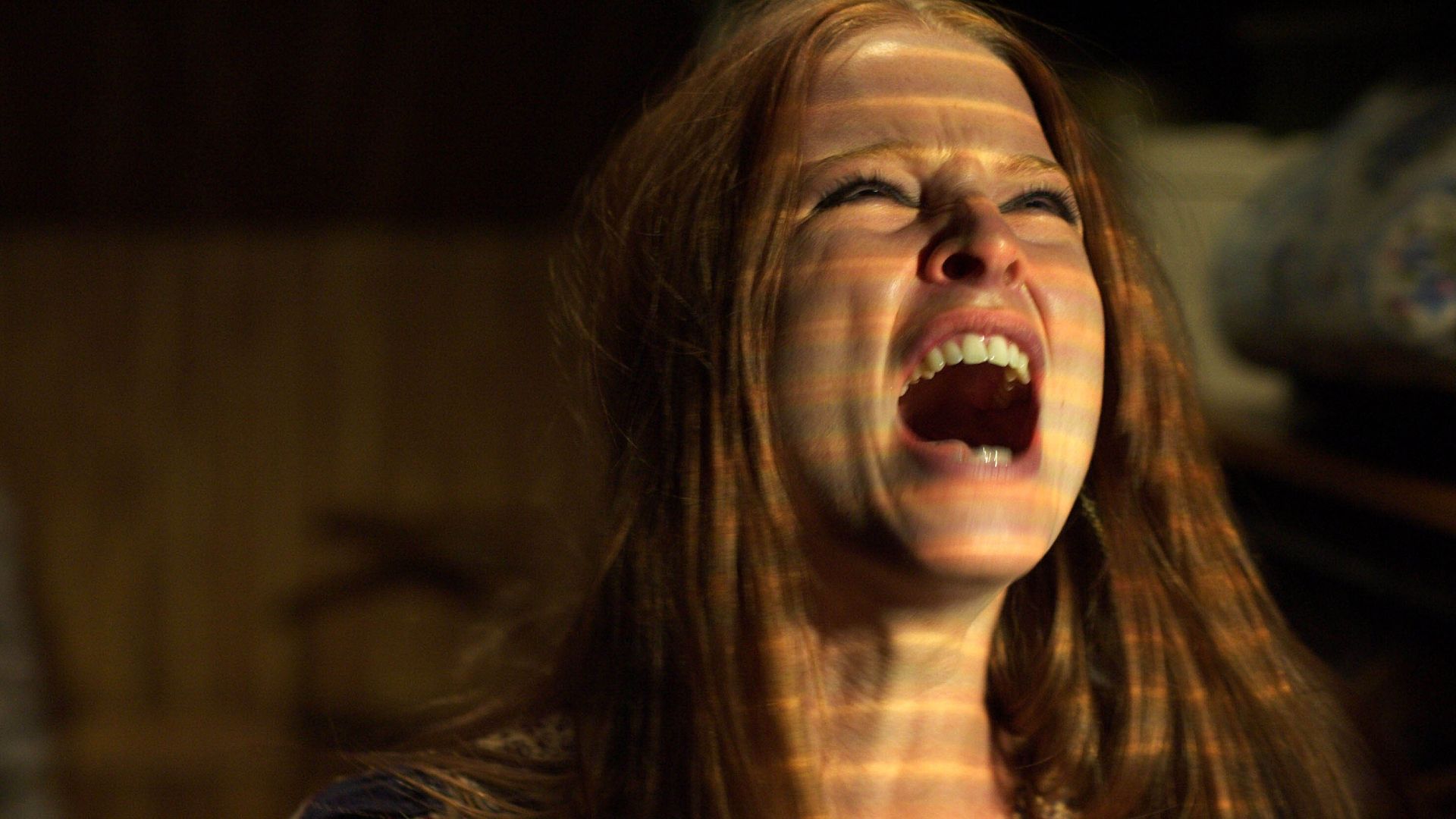
In 1977, Stephen King released The Shining, a novel that would go on to redefine the horror genre and cement its place as one of the most influential ghost stories ever written. Set in the isolated Overlook Hotel, the book follows Jack Torrance, his wife Wendy, and their psychically gifted son Danny as they confront both supernatural forces and Jack's descent into madness. The novel's blend of psychological terror and supernatural horror set a new standard for the genre, influencing countless authors and filmmakers in the decades since. Its themes of addiction, family dysfunction, and isolation resonated with readers, making it more than just a ghost story. The Shining's impact extends beyond literature; Stanley Kubrick's 1980 film adaptation, though controversial among King fans, became a cultural touchstone in its own right. Nearly five decades later, the novel remains a benchmark for horror fiction, continuing to attract new readers and inspire adaptations, including a sequel, Doctor Sleep, published in 2013. The Shining endures because it taps into universal fears—of losing one's mind, of failing one's family, and of the unknown lurking in empty hallways. Its legacy proves that the most chilling ghosts are often the ones we carry within ourselves.