Why U.S. Drug Overdose Deaths Fell 27% in 2024: Key Drivers and What’s Next
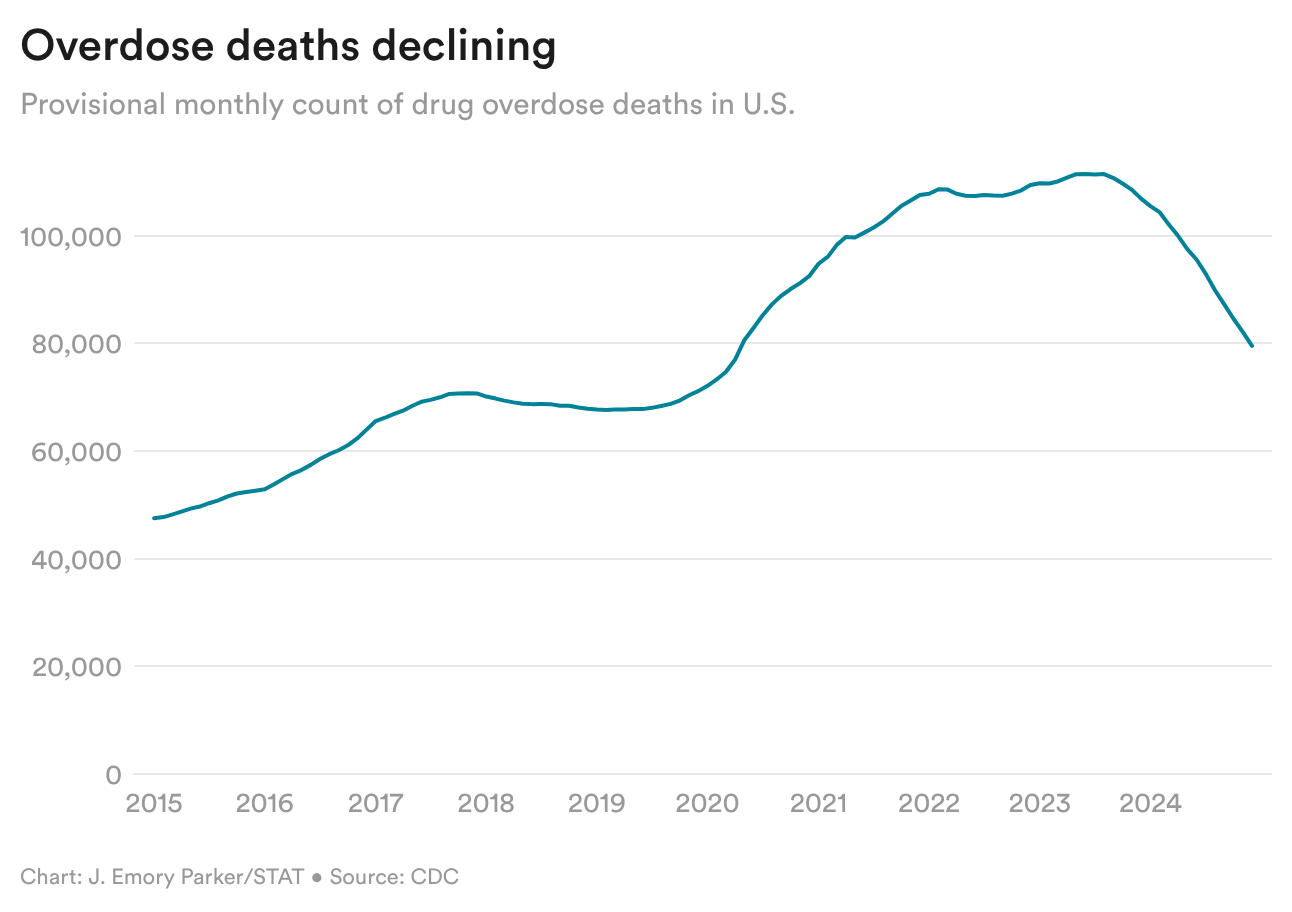
After years of devastating increases, particularly during the COVID-19 pandemic, drug overdose deaths in the United States dropped by 27% in 2024, with preliminary 2025 data indicating a further significant decline. This reversal marks a critical public health shift, but the reasons behind it are complex and multifaceted. Experts point to expanded access to naloxone, the overdose-reversing medication, as well as increased distribution of fentanyl test strips and broader harm reduction services. At the same time, changes in the illicit drug supply—including shifts in fentanyl potency and the rise of xylazine—may have inadvertently reduced lethality. Additionally, the scaling up of medications for opioid use disorder, such as buprenorphine and methadone, has played a role in keeping more people in treatment. The decline is not uniform across all states or demographic groups, with some regions still seeing rising deaths, particularly among Black and Native American populations. Policymakers and public health officials are cautiously optimistic but warn that sustained investment in prevention, treatment, and harm reduction is essential. The coming year will test whether these gains can be maintained or whether the epidemic will evolve in new, unpredictable ways.