Three-Parent IVF: Promised Cure for Mitochondrial Disease Faces Scrutiny in New Studies
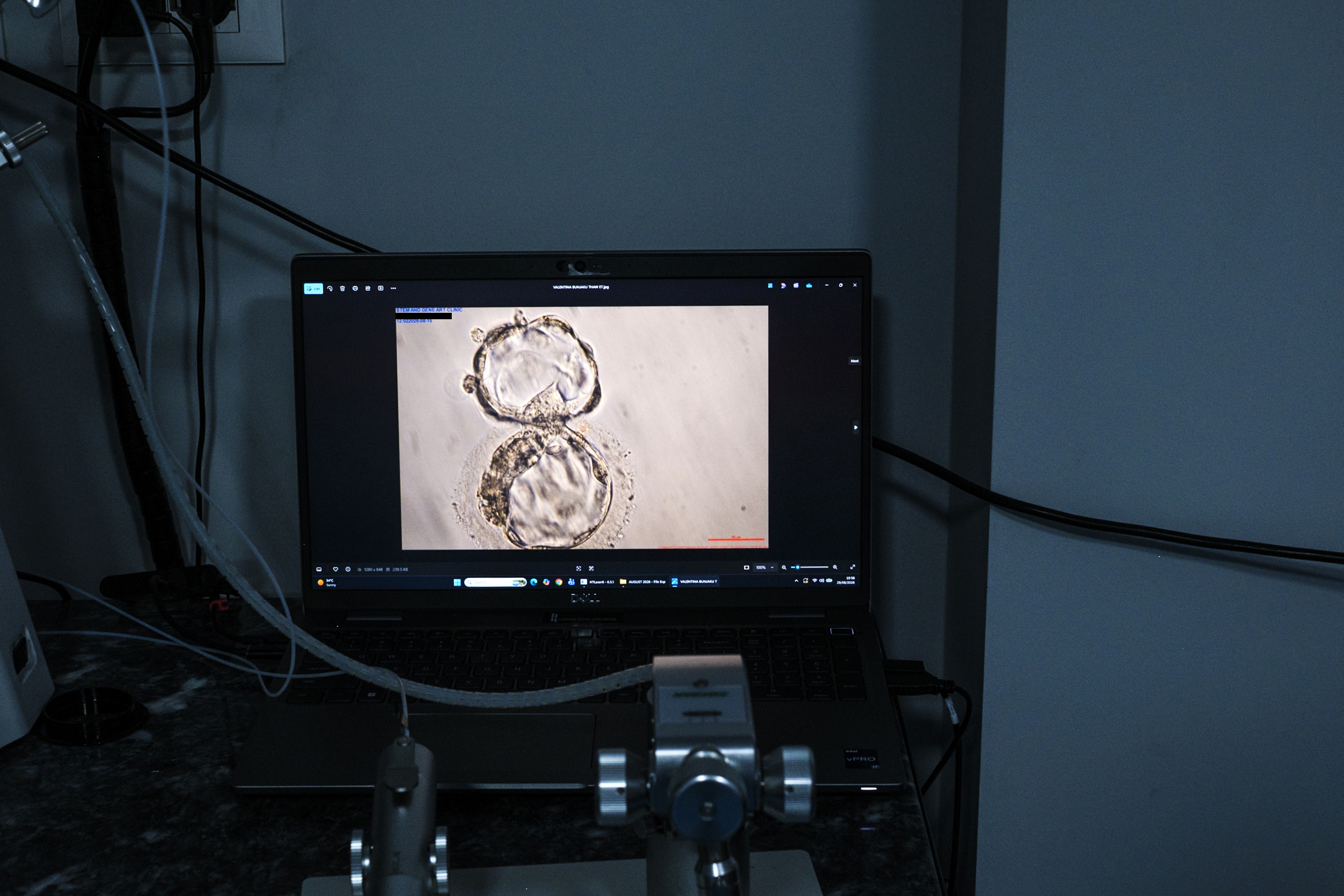
The groundbreaking 'three-parent IVF' technique, pioneered by researchers at the UK’s Newcastle Fertility Centre and first used clinically in 2015, was hailed as a breakthrough for preventing devastating mitochondrial diseases passed from mother to child. The procedure, which involves combining nuclear DNA from the intended parents with healthy mitochondria from a donor egg, has been approved in the UK and used in over 40 cases. However, recent studies published in *Nature* and *The Lancet* reveal concerning findings: residual mutant mitochondria can persist in some embryos, potentially leading to disease onset later in life. Experts like Dr. Sarah Chan of Edinburgh University warn that long-term monitoring is essential, as the technology may not offer the guaranteed protection once believed. The implications extend beyond medicine into ethics and regulation. With clinics in Greece and Ukraine offering the treatment commercially—despite limited oversight—concerns are mounting about patient safety and informed consent. Regulatory bodies including the U.S. FDA and the World Health Organization are now reviewing guidelines, urging caution until more longitudinal data emerges. The controversy underscores a broader challenge in gene-editing therapies: balancing innovation with rigorous risk assessment. As global demand grows, so does the need for transparent, evidence-based policy. The case of three-parent IVF highlights how even well-intentioned medical advances require ongoing scrutiny. Moving forward, scientists and policymakers must prioritize long-term outcomes and international collaboration to ensure this powerful tool truly fulfills its promise.