Addressing the Gender Gap: Men's Underrepresentation in Crisis Text Support
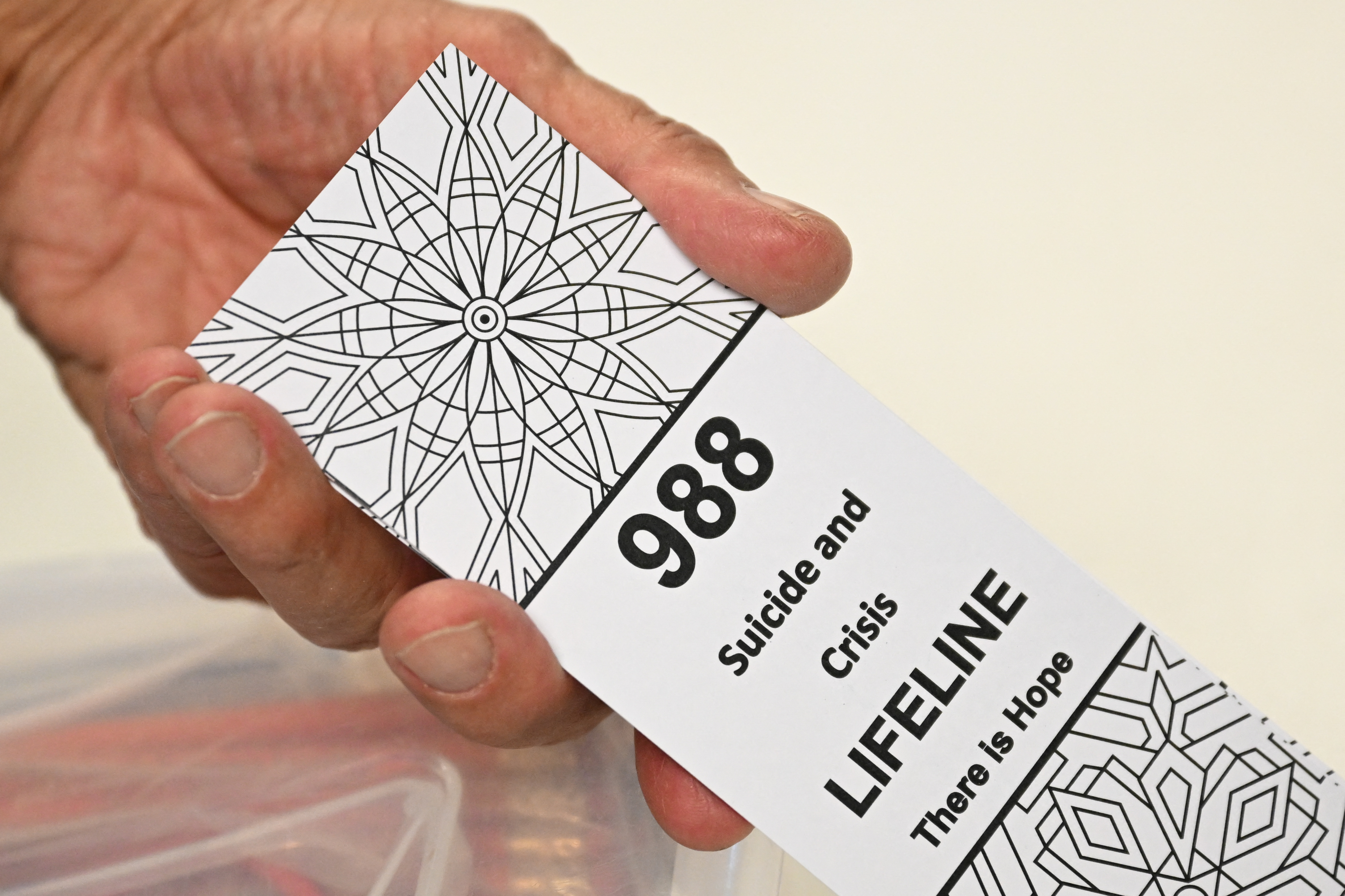
Recent data from the Crisis Text Line highlights a concerning disparity in mental health support utilization, revealing that less than twenty percent of the 1.5 million individuals who sought help in 2025 identified as male. This significant gender gap underscores the challenges men face in accessing digital mental health resources, despite the widespread availability of crisis text lines. Experts suggest that this phenomenon is rooted in a combination of cultural barriers and the traditional design of psychological interventions, which may not adequately address the specific needs or communication styles of men. Known as the gender paradox of suicide, this issue reflects a broader systemic struggle in clinical psychology. The findings serve as a critical call to action for mental health organizations to re-evaluate their outreach strategies and service accessibility. By identifying these invisible barriers, professionals hope to develop more inclusive support frameworks that bridge the gap, ensuring that men feel encouraged and comfortable seeking the vital assistance they need during moments of crisis.