Mental Health Parity Gap Widens Amidst Shifting Treatment Landscape and Enforcement Challenges
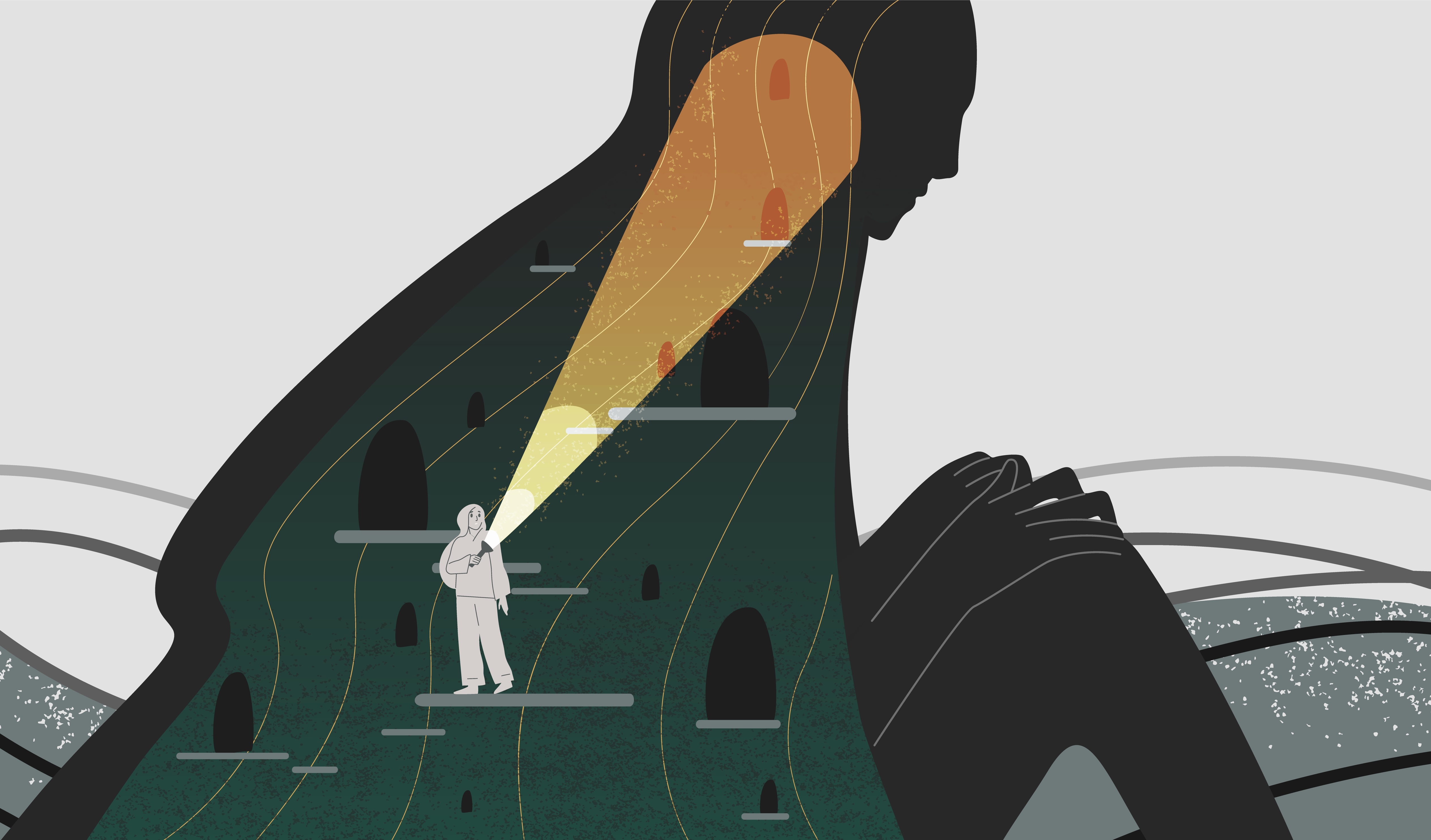
Despite legislative efforts like the Mental Health Parity and Addiction Equity Act (MHPAEA), the gap between mental and physical health care access remains substantial. Recent events, including testimony before Congress and a growing interest in novel treatments like peptides, underscore the persistent barriers individuals face in obtaining affordable and equitable mental health services. Insurance companies continue to present challenges through stringent requirements and denials of coverage, while the burgeoning, often unregulated, peptide market highlights a search for alternative solutions by those struggling with conventional care. Achieving true parity necessitates stronger enforcement of existing laws, increased transparency, workforce expansion, and innovative care models. Ultimately, closing this gap requires both systemic reform and a societal shift towards prioritizing mental well-being with the same urgency as physical health, ensuring that all individuals can access the care they need without undue financial or systemic burden.