State Dept. Redirects $125M in Foreign Aid, Including $49M for Contraception, to Cover Energy Costs
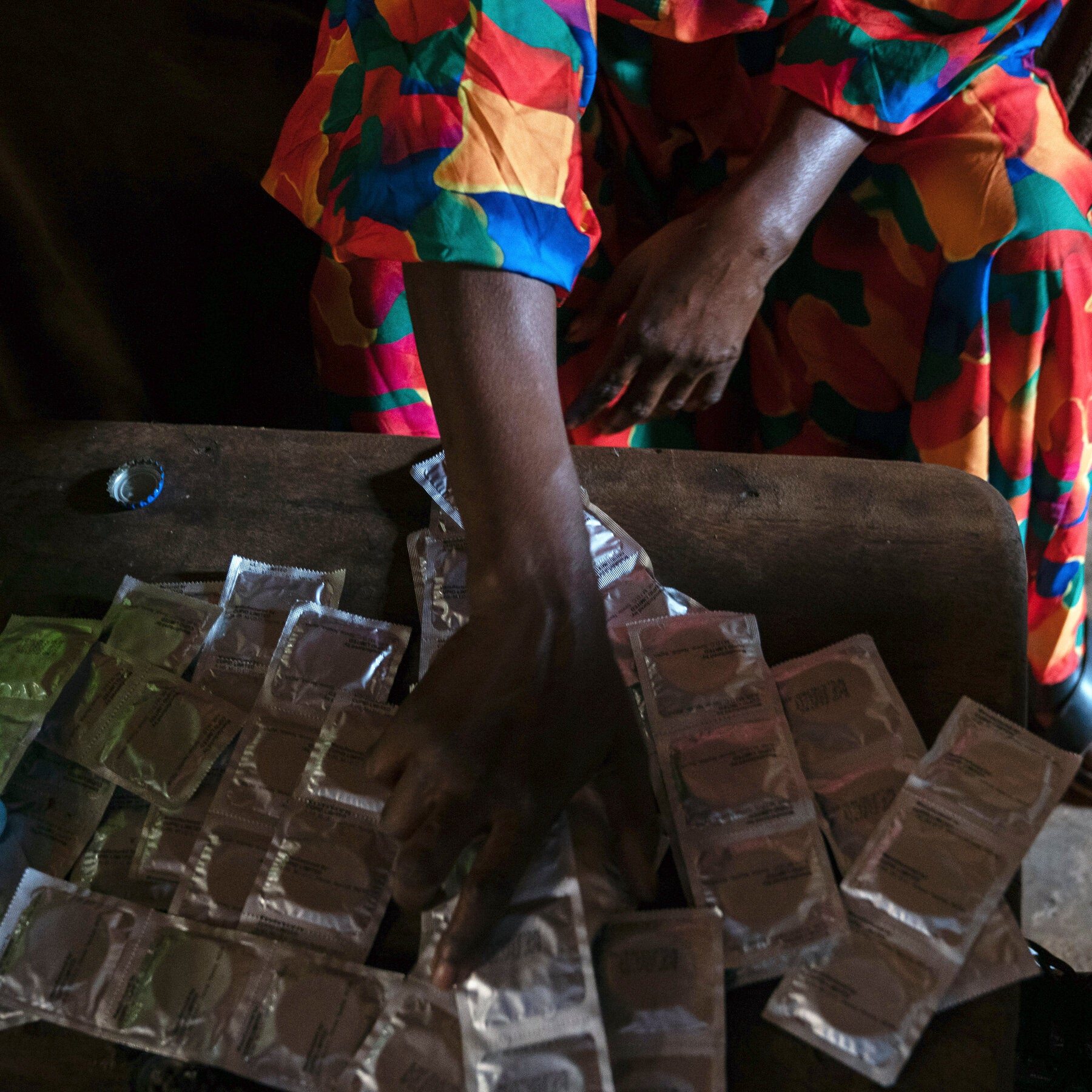
The State Department is shifting up to $125 million in foreign aid to cover rising energy costs, according to a memo sent to lawmakers. The move includes nearly $49 million that Congress had appropriated for family planning programs in low-income countries. The decision affects critical health services and could impact millions of women who rely on U.S.-funded contraception and reproductive care. The memo did not specify which countries or programs will lose funding, but it signals a major policy shift in how the U.S. prioritizes global health versus domestic energy needs. Critics argue that cutting family planning aid could lead to higher maternal mortality and unintended pregnancies in vulnerable regions. The State Department defended the move as necessary to address immediate operational costs. This reallocation comes amid broader budget pressures and rising fuel prices, forcing tough choices across federal agencies. The long-term consequences for global health programs remain unclear, but advocates warn that even temporary cuts can disrupt supply chains and erode trust in U.S. commitments. As the department finalizes the reallocation, aid organizations are bracing for potential gaps in services, and some lawmakers are demanding more transparency about how the funds will be used.