Space Exercise and Echocardiograms Preserve Astronaut Heart Health in Long-Duration Missions, Study Finds
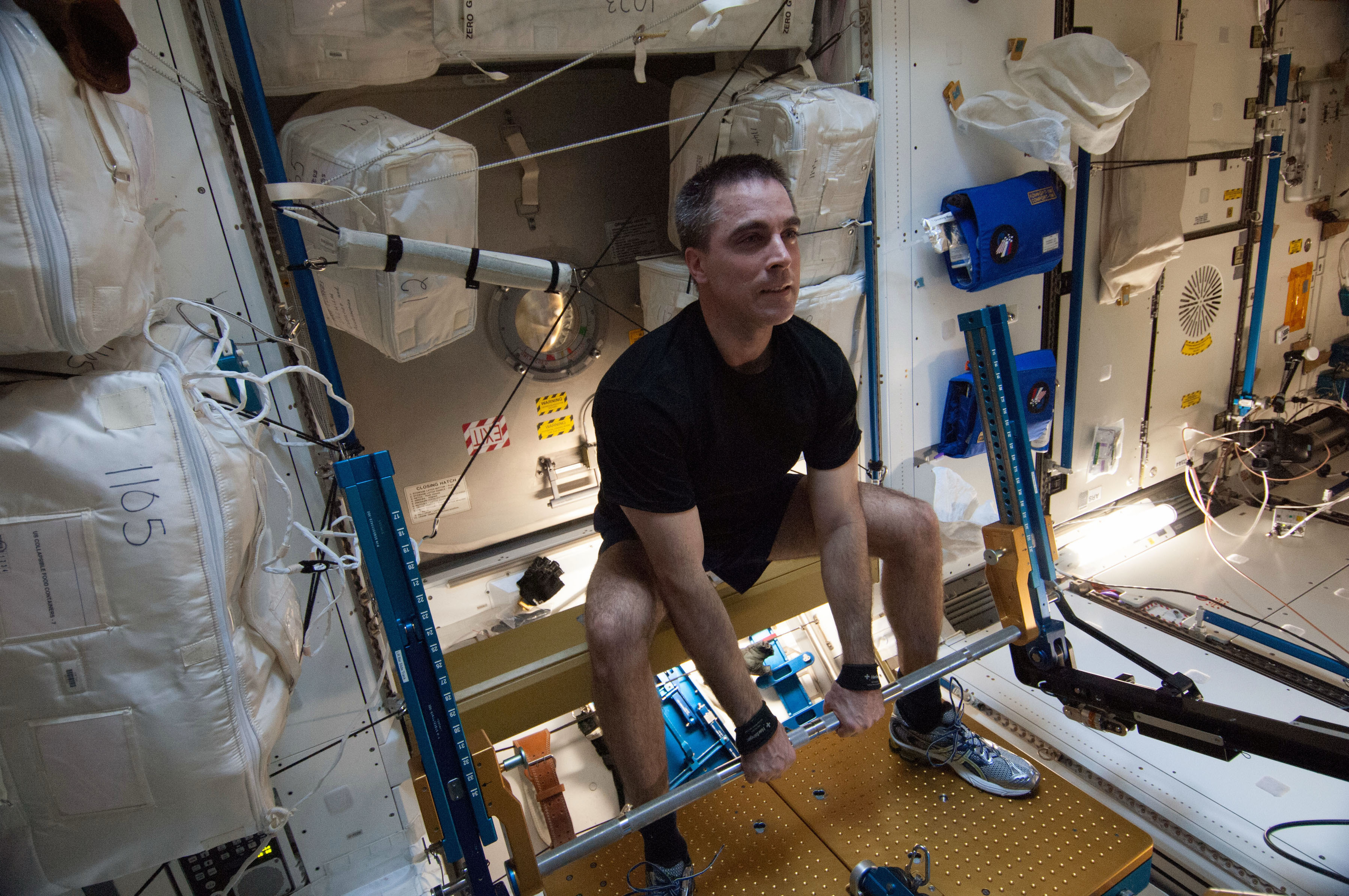
A groundbreaking study reveals that a combination of targeted exercise routines and regular echocardiogram monitoring helped preserve astronaut heart function during extended stays aboard the International Space Station (ISS). The research, led by NASA scientists and published in a leading medical journal, tracked 12 astronauts over missions lasting up to 180 days. Participants followed a rigorous regimen including resistance training and aerobic workouts using specialized equipment like the Advanced Resistive Exercise Device (ARED), while undergoing biweekly cardiac imaging scans. Results showed significantly reduced risk of cardiac atrophy and improved left ventricular function compared to previous missions without such protocols. The findings are especially critical as NASA sets its sights on crewed Mars missions by 2035, where microgravity exposure could exceed 400 days. Without intervention, prolonged weightlessness weakens heart muscle and disrupts circulation—posing serious risks upon return to Earth or landing on Mars. By integrating real-time echocardiography with personalized fitness plans, researchers demonstrated a practical model for maintaining cardiovascular resilience in space. This data underscores why mission planning must prioritize not just physical health but continuous physiological monitoring. As private space ventures expand, these insights will inform standards for future commercial space travelers and long-term orbital habitats. The success of deep-space exploration hinges not only on technology but on protecting the human body—one heartbeat at a time.