Why the Antarctic Hantavirus Outbreak Highlights Critical Gaps in Viral Research
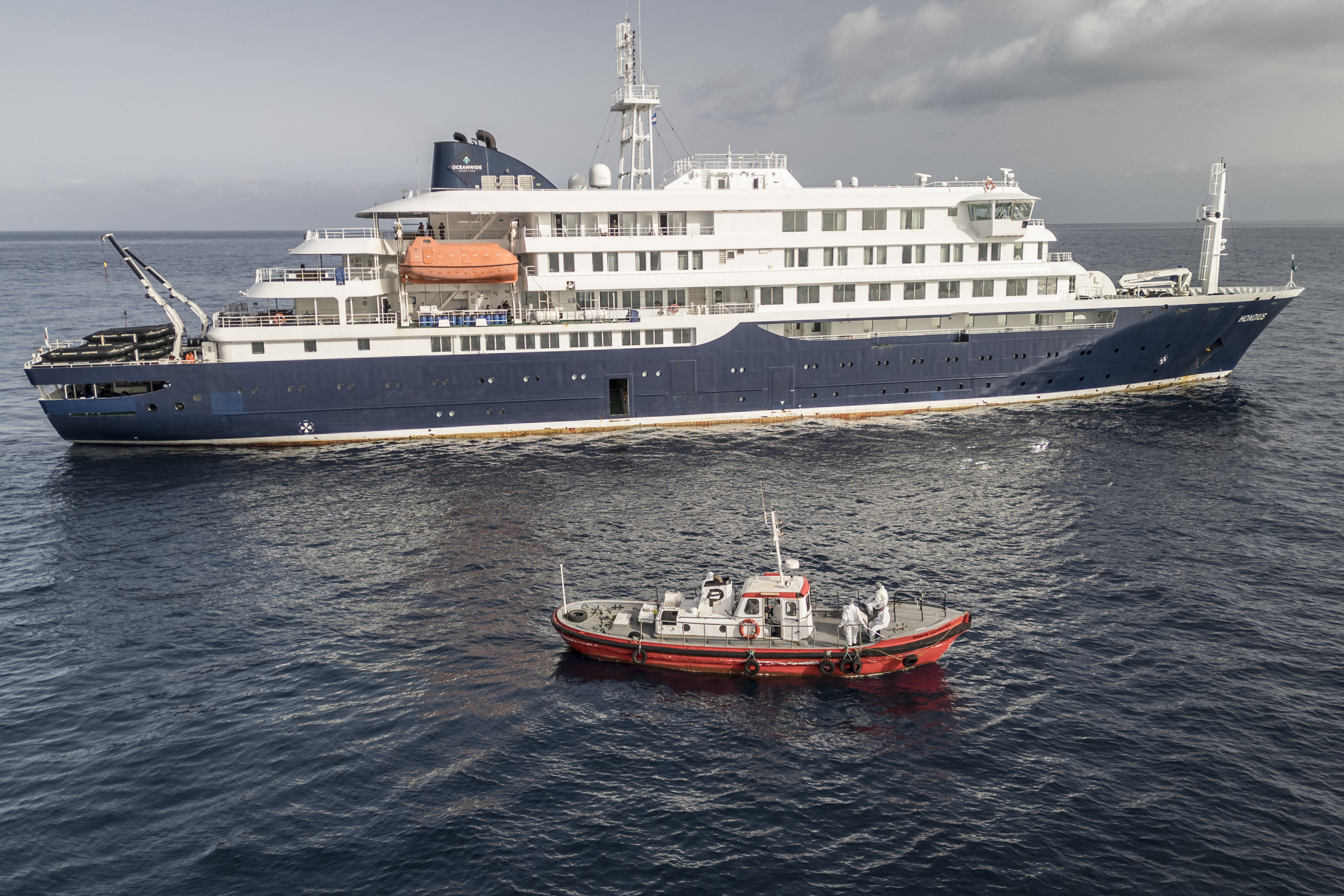
The emergence of hantavirus cases aboard the expedition cruise ship MV Hondius in the Antarctic has reignited discussions regarding maritime travel safety and zoonotic disease surveillance. While initial fears centered on the potential for a pandemic-scale contagion similar to COVID-19, public health experts are instead highlighting a different, more systemic issue: long-standing scientific neglect of the hantavirus family. Rather than focusing on the isolation of the vessel or the mechanics of the outbreak itself, epidemiologists are calling attention to the severe lack of research and resources allocated to understanding these rodent-borne pathogens. Hantaviruses, which spread through contact with infected animal waste, remain poorly understood despite their potential for severe human impact. The incident serves as a significant warning that the global medical community is insufficiently prepared to track and mitigate threats posed by obscure zoonotic diseases. Ultimately, the focus of the discourse has shifted from individual ship safety to the urgent requirement for increased funding and global research initiatives aimed at closing the diagnostic and preventative blind spots in current public health infrastructure.