New SNAP Rules Drive Modest Decline in Soda Purchases Among Beneficiaries
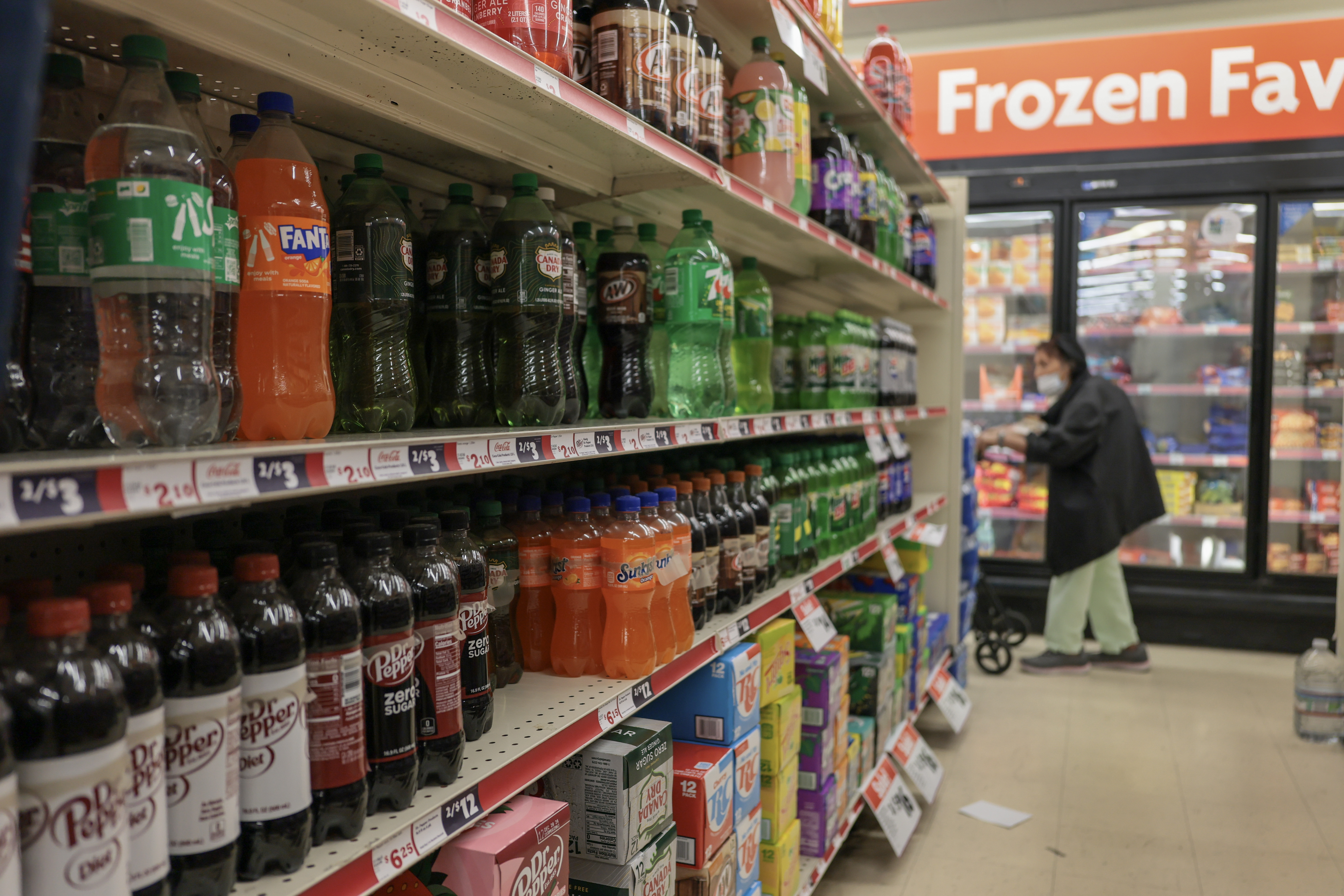
Recent public health policy updates regarding the Supplemental Nutrition Assistance Program (SNAP) have yielded measurable impacts on consumer dietary habits, particularly among low-income populations. A new analysis indicates that revised regulations governing SNAP benefits have led to a statistically significant, though modest, decrease in soda purchases by program beneficiaries. This finding provides a nuanced perspective on the efficacy of financial incentives and restrictions within social safety nets, demonstrating their ability to influence nutritional choices without causing drastic shifts in overall consumption patterns. The study’s authors caution against overstating these results as a massive transformation in eating habits, characterizing the reduction as moderate rather than revolutionary. This distinction highlights that while policy adjustments can effectively nudge behavior toward healthier options, they may not entirely overhaul entrenched consumer preferences for sugary beverages. Consequently, these findings suggest that targeted regulatory changes can contribute meaningfully to public health goals by reducing sugary drink intake, offering a balanced view of how structural interventions can subtly shape long-term dietary trends among vulnerable demographics.