Analyzing Global Health Security: From Ugandan Ebola Protocols to Community Care Models
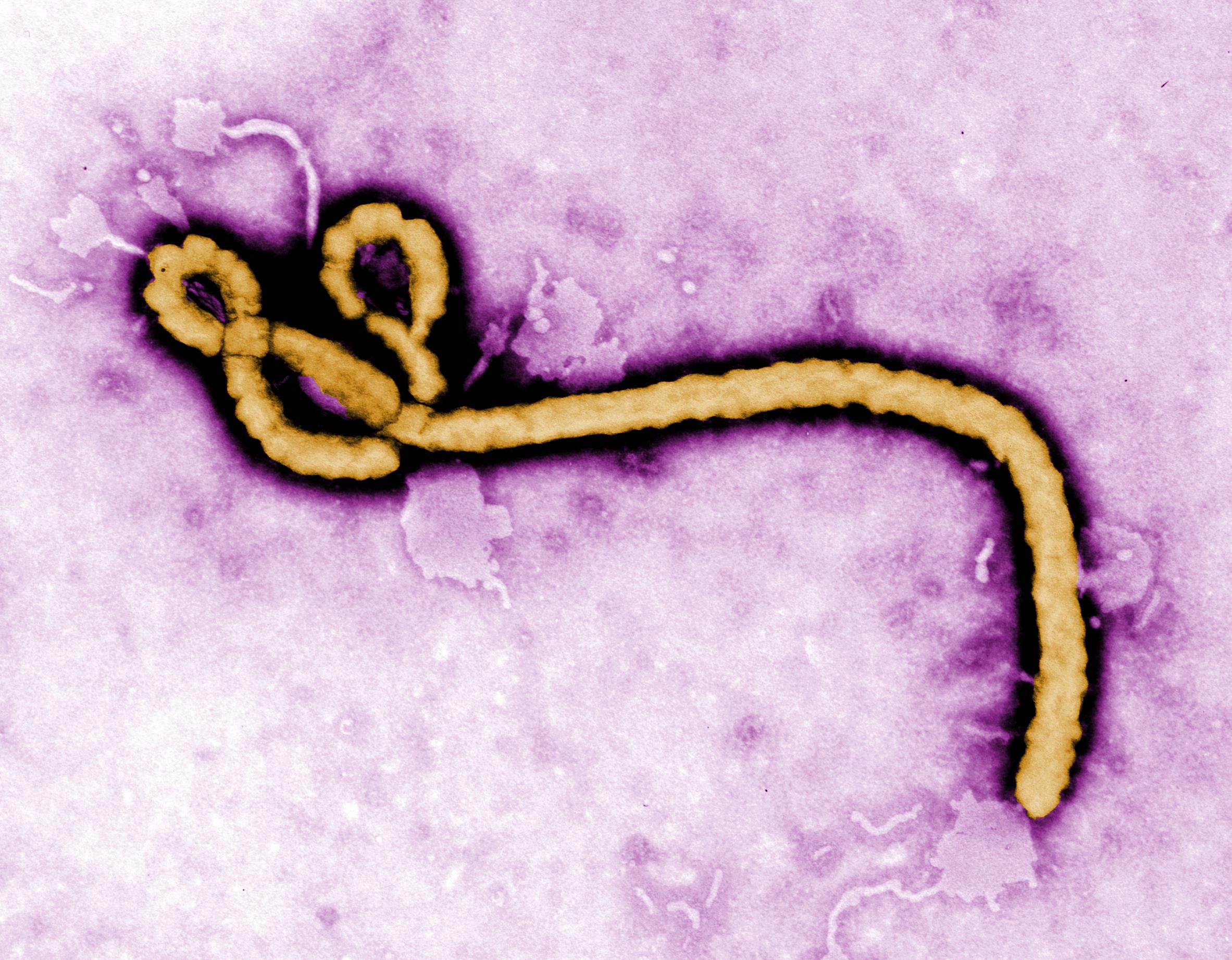
The global health landscape is currently defined by a significant tension between national sovereignty and international collaboration. Following the COVID-19 pandemic, countries are adopting divergent strategies to combat infectious diseases, moving away from uniform global cooperation toward a fragmented system. A primary example is the Ugandan government's assertive approach to Ebola, which prioritizes stringent border closures and tactical isolation to contain outbreaks rapidly. This method contrasts sharply with the localized, grassroots health initiatives emerging in regions like the United States, which focus on community-based financing to fill gaps in safety nets. This article examines how these disjointed methodologies are reshaping pandemic preparedness. As nations grapple with the necessity of protecting human life, experts are forced to confront the reality that the 'new normal' is not a cohesive international infrastructure, but rather a complex patchwork of isolationism and alternative social health systems. Ultimately, these shifts demand a critical evaluation of how global health security can be effectively maintained in an increasingly decentralized world, balancing individual national security interests with the fundamental requirements of global epidemiological protection.