GSK's Cancer Comeback: Six Oncology Drugs in a Decade and Counting
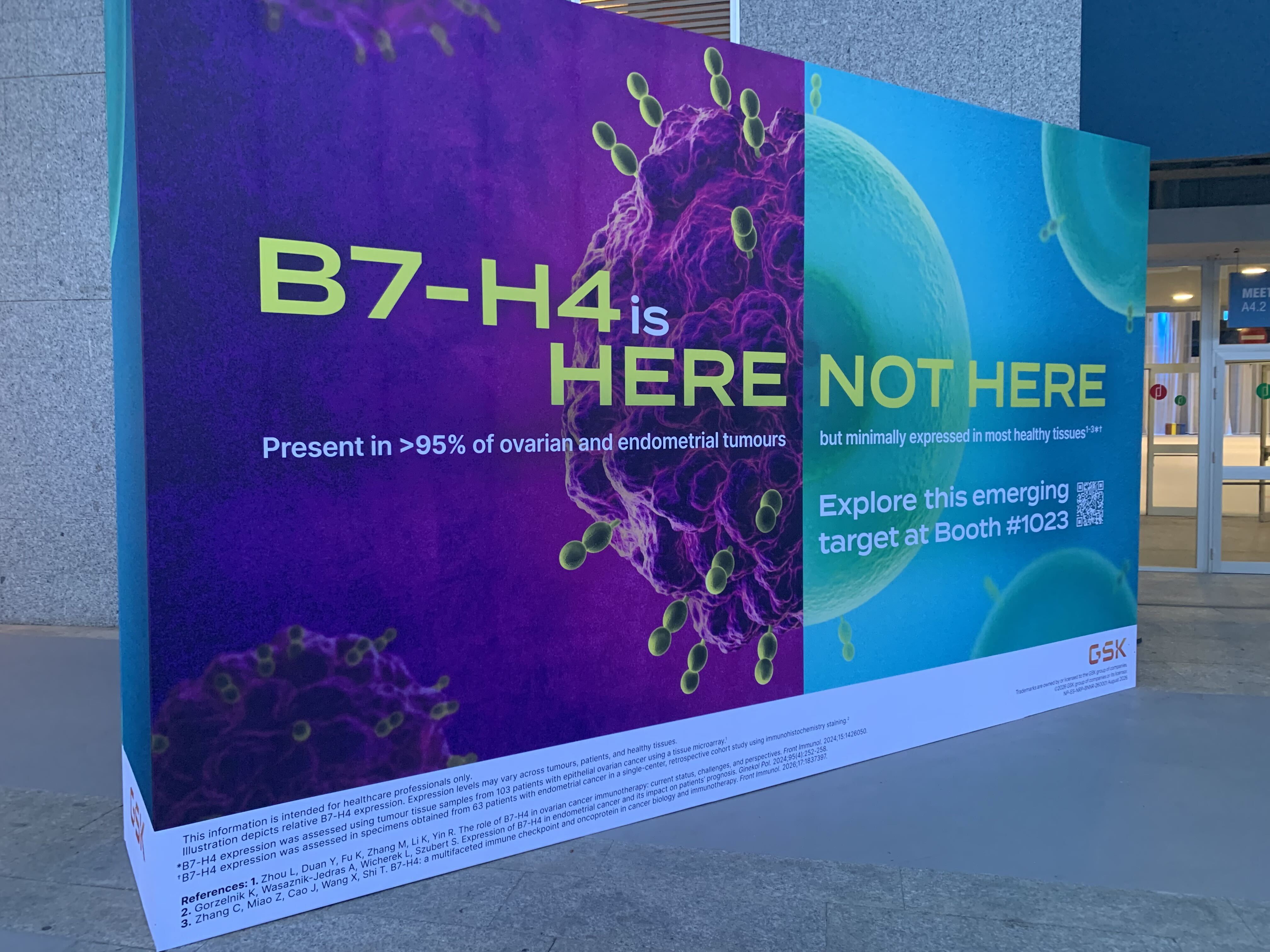
A decade after GSK exited oncology, the British drugmaker's return to cancer is paying off. The company, once a major player in the field, sold its oncology portfolio to Novartis in 2015 but has since rebuilt a pipeline that could soon yield its sixth cancer drug approval. This resurgence matters because oncology is now the largest and fastest-growing pharmaceutical market, and GSK's success shows how a big pharma can re-enter a competitive space through targeted acquisitions and internal R&D. Key recent milestones include the FDA approval of Jemperli for certain endometrial cancers and the acquisition of Sierra Oncology, which brought momelotinib for myelofibrosis. GSK's oncology sales are growing, though still a fraction of its overall revenue, but the company sees cancer as a key long-term growth driver. The strategy has been to focus on immuno-oncology, cell therapy, and synthetic lethality—areas where it can differentiate. With multiple late-stage readouts expected in the next two years, GSK aims to prove that its cancer bet will deliver sustained returns for patients and shareholders alike.