FDA Details Faster Approval Pathway for Personalized Gene Therapies in Rare Diseases
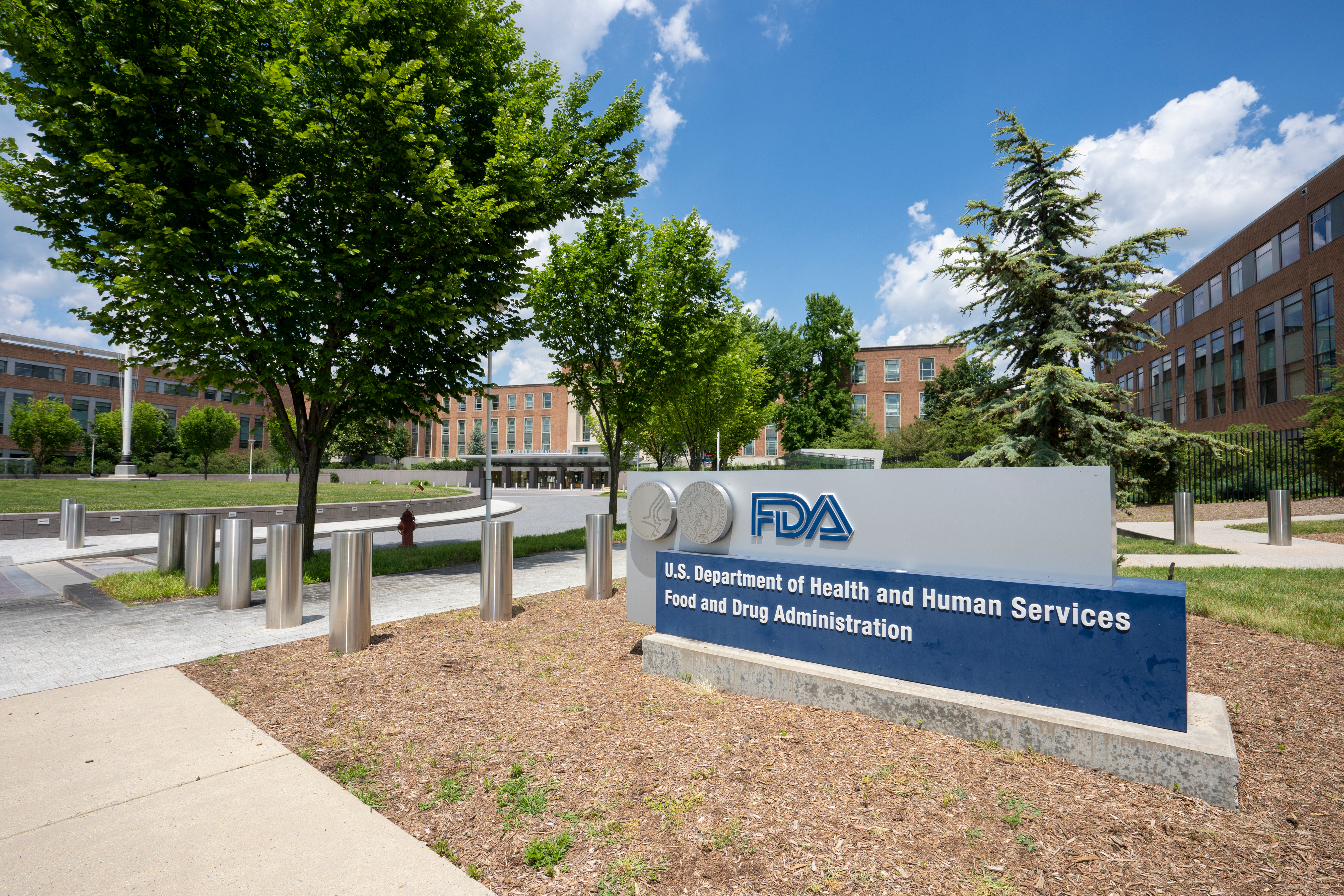
The U.S. Food and Drug Administration has released new details on an accelerated approval pathway for personalized gene therapies, a move that could significantly shorten the time it takes for patients with rare diseases to access life-saving treatments. The guidance, welcomed by rare disease advocates, outlines a framework for using surrogate endpoints and smaller clinical trials when traditional large-scale studies are not feasible due to extremely small patient populations. Key elements include the use of biomarkers that are reasonably likely to predict clinical benefit, as well as post-approval confirmatory studies to verify outcomes. This approach is particularly relevant for ultra-rare conditions where each patient's genetic mutation may be unique, making conventional drug development impractical. The FDA's announcement comes amid growing pressure from patient groups and biotech companies to modernize regulatory pathways for gene therapies, which often target diseases with no existing treatments. By offering a clearer route to approval, the agency aims to encourage innovation while maintaining safety standards. For families affected by rare diseases, the new pathway represents hope that effective therapies could reach the clinic years earlier than under traditional review processes.