Can Near-Infrared Light Make Football Safer? Scientists Explore New CTE Treatments
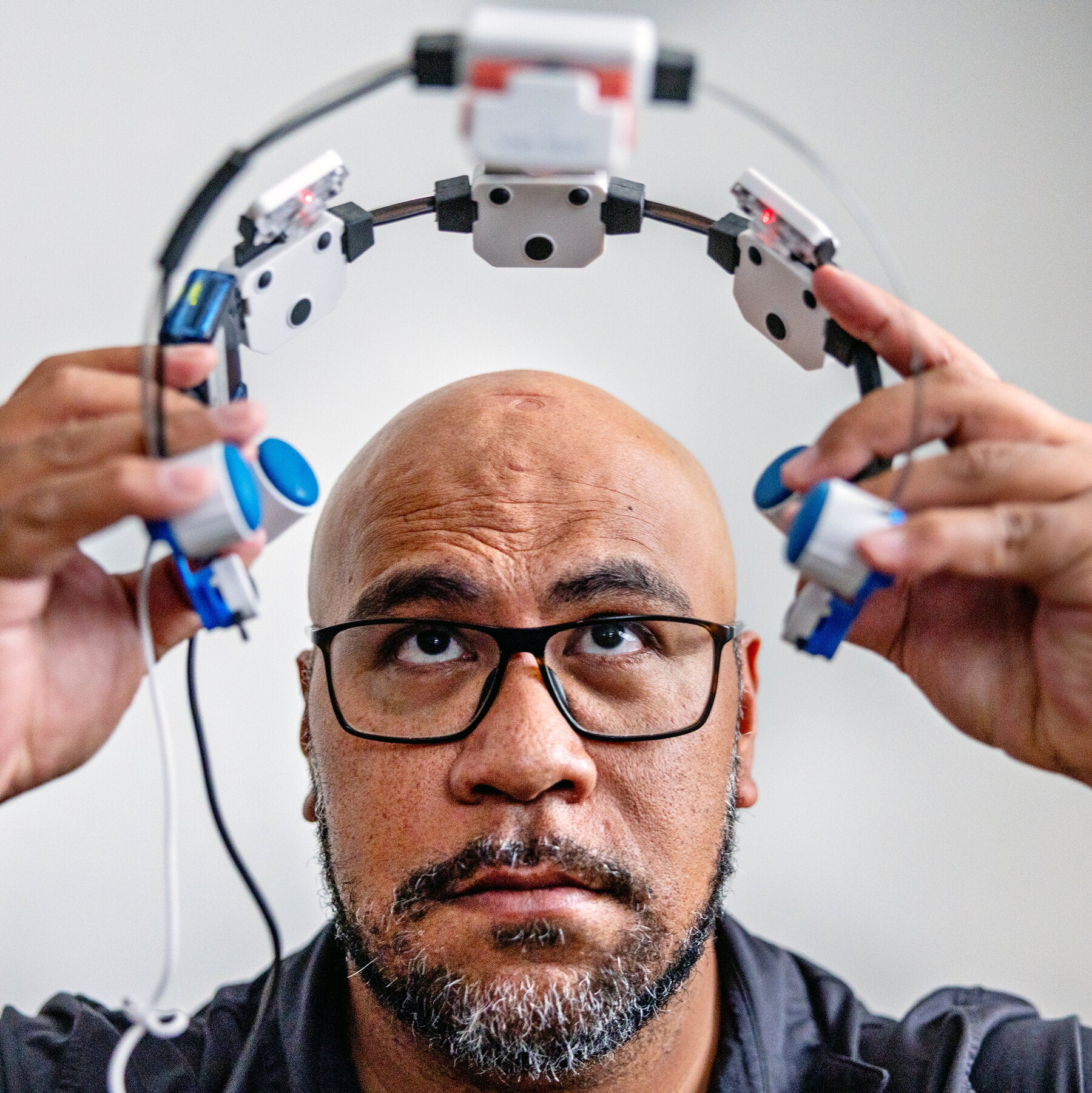
As concerns over chronic traumatic encephalopathy, or C.T.E., continue to shadow contact sports like football, researchers are turning to an unexpected tool: near-infrared light. Studies suggest that this form of light therapy could potentially treat or even prevent the degenerative brain disease linked to repeated head impacts. While still in early stages, the approach is part of a broader scientific push to find ways to protect athletes from long-term neurological damage. The stakes are high—C.T.E. has been diagnosed in hundreds of former players, raising questions about the future of the sport. By exploring light-based interventions, scientists hope to address the problem at the cellular level, reducing inflammation and promoting healing in brain tissue. If proven effective, such treatments could reshape how leagues, teams, and players manage head injuries. The research is still unfolding, but it offers a glimmer of hope for millions of athletes and their families. The next step is rigorous clinical testing to see if the promise holds up outside the lab.