NASA's Next Frontier: Understanding the Immune System's Crucial Role in Deep Space Missions
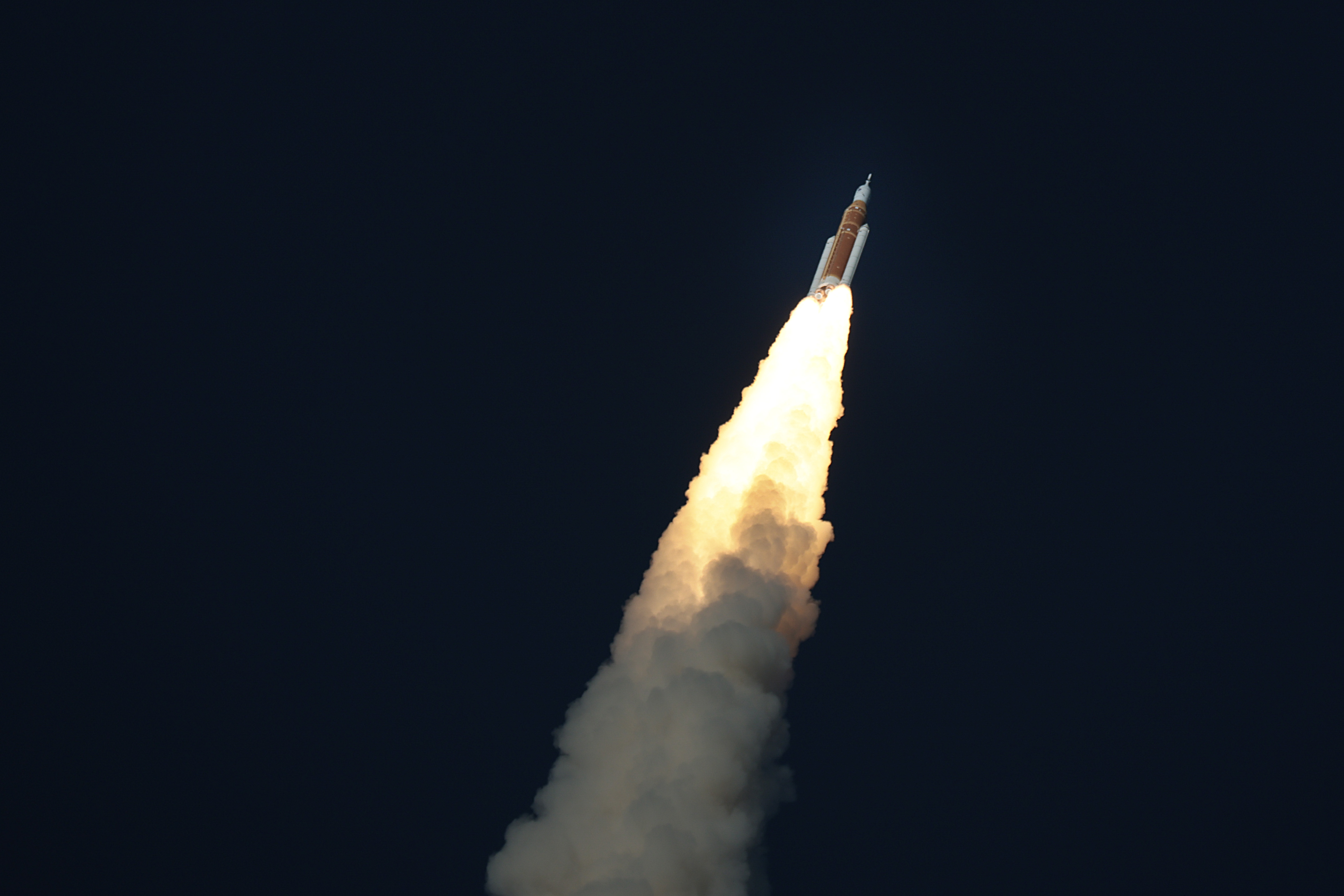
While the engineering marvels of space travel often capture public imagination, a critical and often overlooked challenge for NASA's long-term cosmic ambitions is the impact of space on the human immune system. As missions extend to Mars and beyond, ensuring astronaut health becomes paramount, moving beyond mere life support to address the profound immunological shifts induced by microgravity, radiation, and psychological stress. Scientists are increasingly recognizing this 'immunological imperative' as a foundational element for successful deep space exploration. The unique space environment can suppress immune responses, increasing susceptibility to infections and potentially reactivating latent viruses. Understanding and mitigating these effects is as crucial as developing robust spacecraft. Future missions depend not only on overcoming mechanical and logistical hurdles but also on safeguarding the delicate biological systems of the astronauts who will venture into the cosmos, making immunological research a vital component of NASA's forward-thinking strategies.