Reclassifying Air Conditioning as Essential Preventive Healthcare in Federal Policy
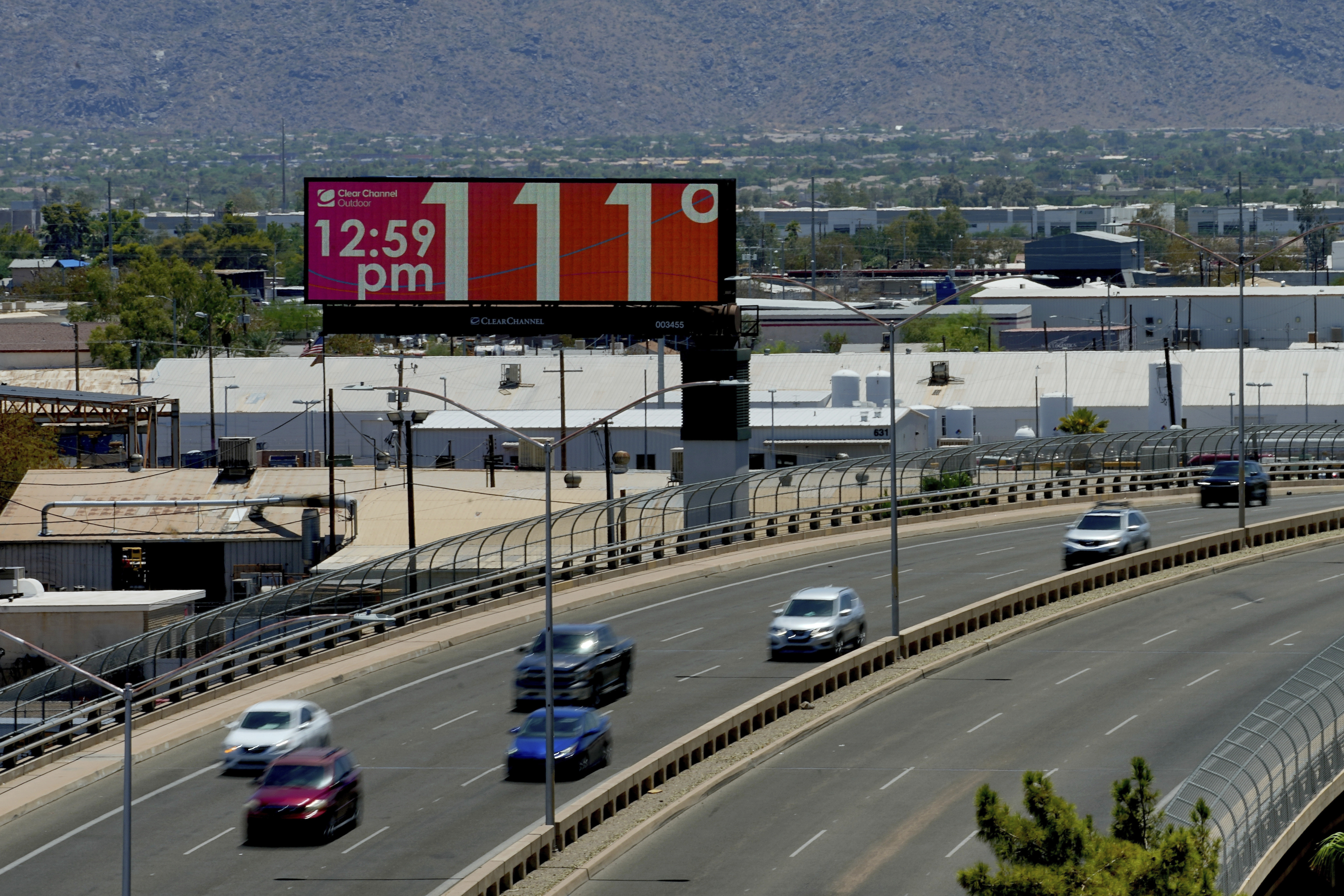
As global temperatures reach record highs, public health experts are advocating for a critical shift in how the United States regulates residential air conditioning. Long viewed as a domestic luxury, climate control is increasingly recognized as a vital tool for public health safety. The current legislative framework remains insufficient, often prioritizing heating assistance over cooling, despite the rising frequency and severity of extreme weather events. Experts argue that treating air conditioning as a fundamental component of preventive healthcare is essential to mitigate the growing risks of heat-related morbidity and mortality. This policy evolution would move beyond mere comfort, establishing access to cooling as a necessity for protecting vulnerable populations. By aligning federal infrastructure, building standards, and energy assistance programs with the realities of a warming climate, the government can implement proactive measures to safeguard citizens. A systemic reform in policy is necessary to address the inequities of thermal regulation and ensure that safe, sustainable cooling is viewed as a basic human right rather than a discretionary convenience in an era of climate instability.