ACA Insurers Propose Significant Premium Hikes Amid Rising Costs
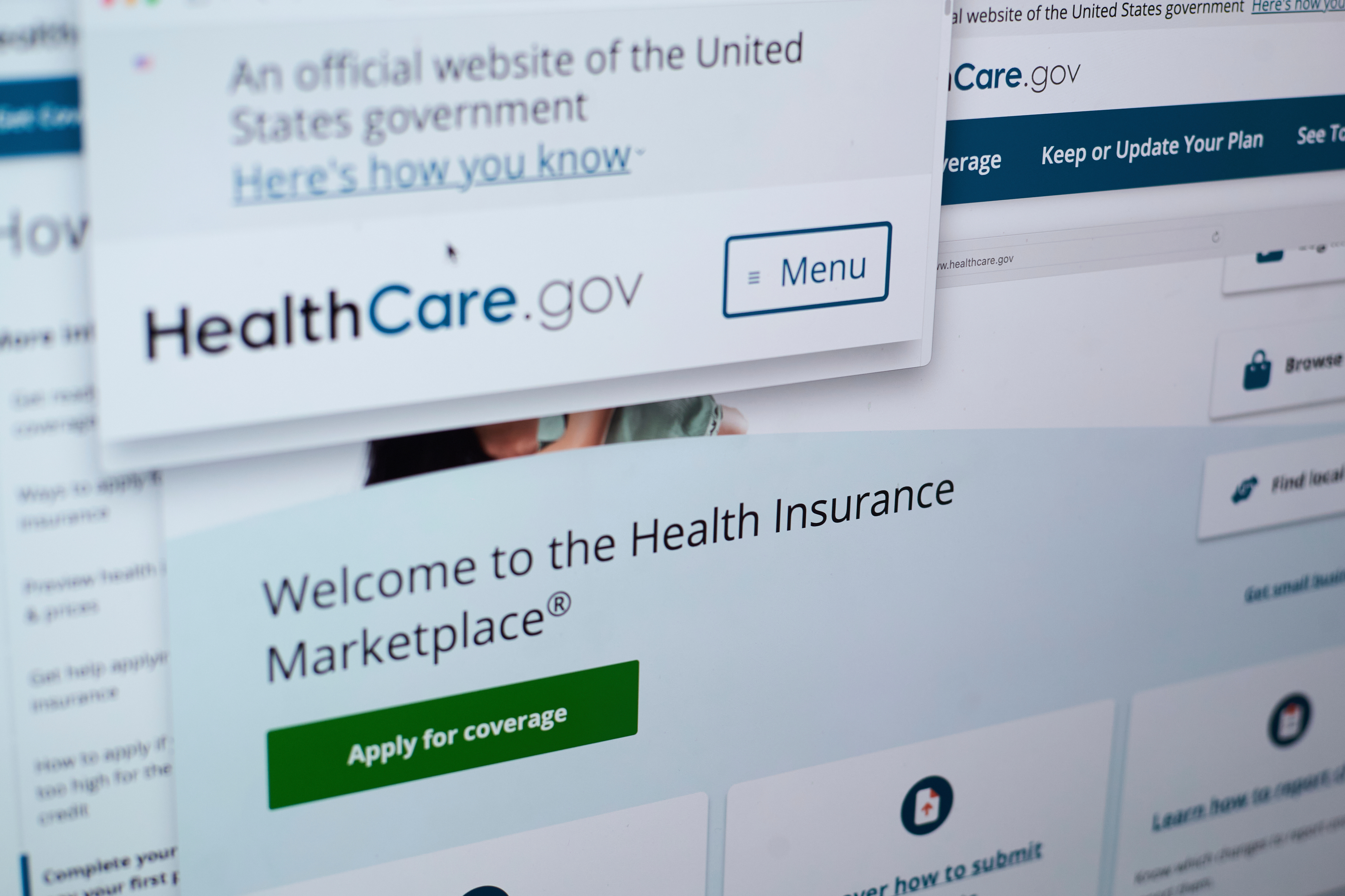
Consumers enrolled in the Affordable Care Act (ACA) are bracing for potentially substantial financial burdens as health insurers across the nation propose significant premium increases for the second year in a row. According to reports, many of these proposed adjustments are projected to be in the double-digit range, signaling a persistent upward trajectory in healthcare expenses for millions of Americans relying on ACA plans. This trend highlights the ongoing challenge of affordability within the U.S. healthcare system. The primary drivers behind these proposed hikes are multifaceted, predominantly rooted in a general escalation of medical expenditures. Healthcare providers and systems are contending with elevated operational costs, which subsequently translate into higher charges for a wide array of services. These increased costs are then passed on to consumers through their insurance premiums. Furthermore, insurers are also attributing a portion of their need to raise rates to recent shifts in federal health policy. Although the specific details of these policy changes are not fully elaborated, they are undeniably influencing the financial models and actuarial calculations utilized by insurance companies to determine their pricing structures. These combined pressures underscore a complex landscape where both medical inflation and regulatory environments play crucial roles in shaping the future costs of health coverage under the ACA.