3 in 4 Retired NFL Players Likely Had CTE at Death, New Study Estimates
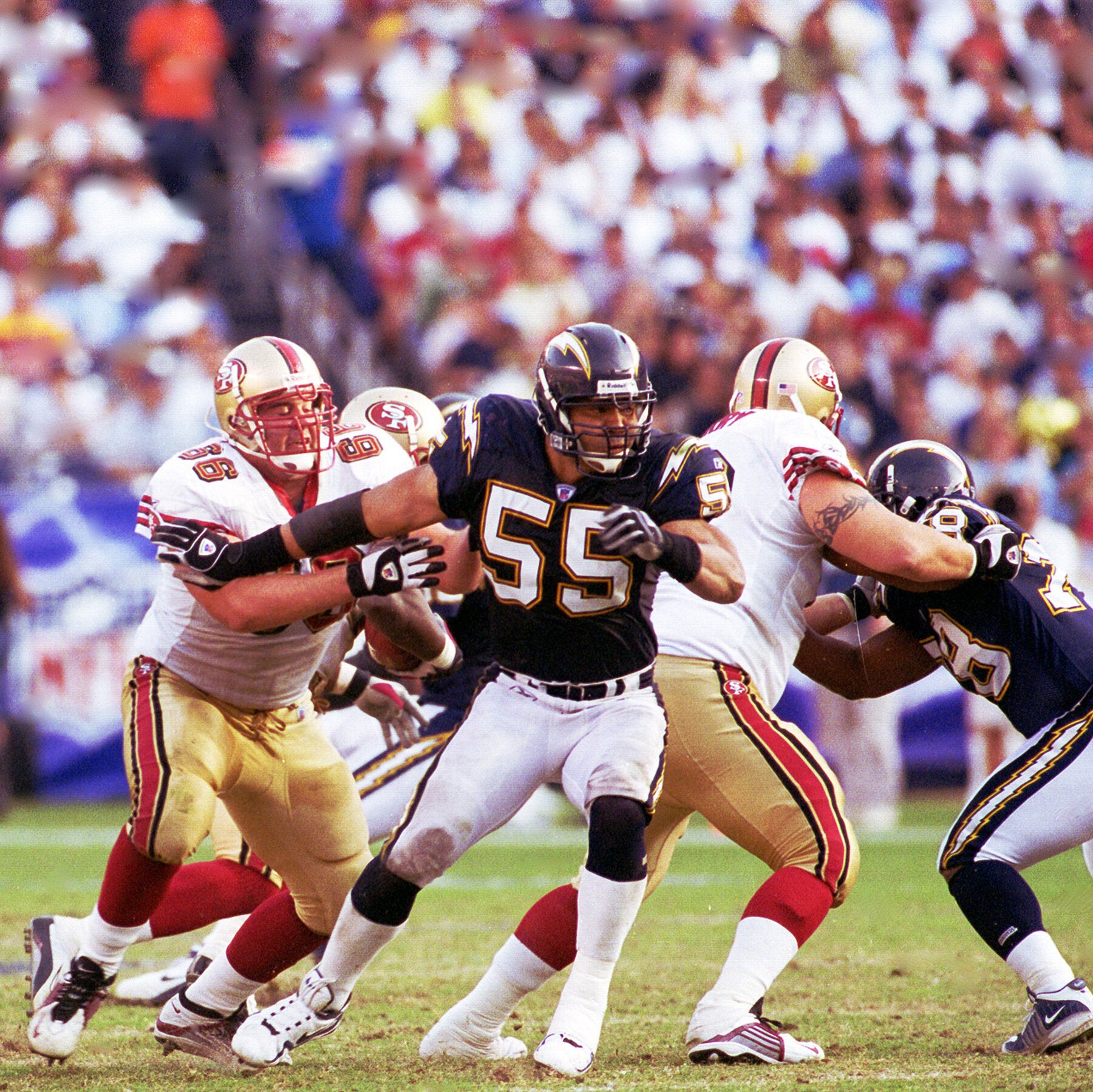
A new statistical study estimates that three out of four retired National Football League players likely had chronic traumatic encephalopathy, or CTE, at the time of their death. The findings, based on advanced modeling rather than direct brain autopsies, suggest the degenerative brain disease is far more pervasive among former professional football players than previously confirmed. CTE, linked to repeated head impacts, can cause memory loss, depression, and dementia. The study's estimate is higher than earlier autopsy-based research, which found CTE in a majority of examined brains but was limited by self-selection bias—families of players with symptoms were more likely to donate brains for study. By applying statistical techniques to a broader population, researchers aimed to correct for that bias. The results underscore the long-term neurological risks associated with football, reigniting debates over player safety at all levels of the sport. As the NFL continues to implement rule changes and improve helmet technology, this estimate serves as a stark reminder of the potential consequences of repeated concussions and subconcussive hits. The league has not yet commented on the new study. For current and former players, the research highlights the importance of monitoring cognitive health and seeking early intervention. Ultimately, the study may influence future policy decisions, medical care for retirees, and the ongoing legal and ethical discussions surrounding America's most popular sport.