Why Paul Atreides' 'Fear Is the Mind-Killer' Speech Still Defines Dune 61 Years Later
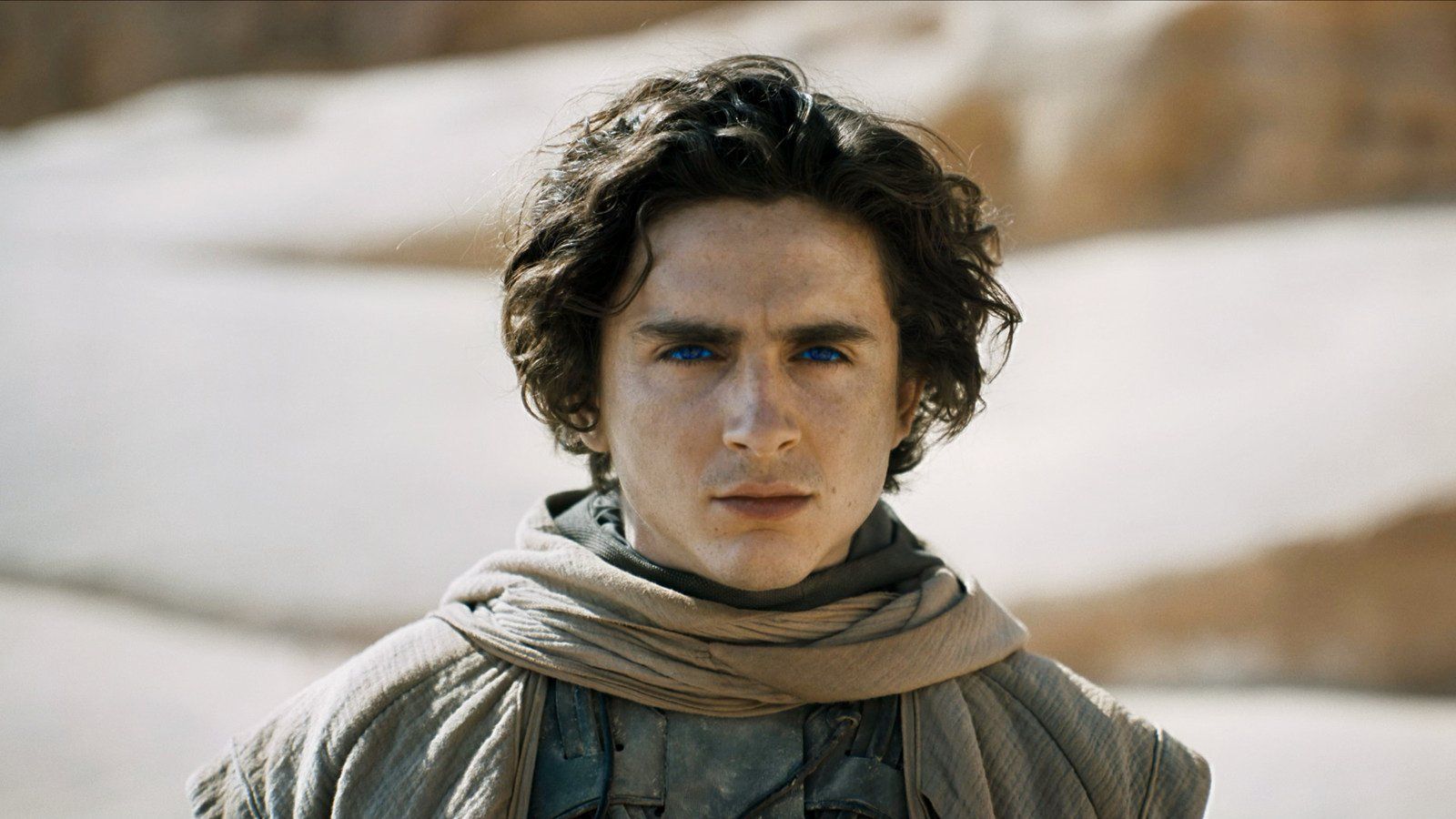
In Frank Herbert's 1965 novel Dune, protagonist Paul Atreides delivers a mantra that has become one of science fiction's most quoted lines: 'I must not fear. Fear is the mind-killer.' Sixty-one years later, the line remains a cultural touchstone, appearing in film adaptations, memes, and self-help discourse. But its enduring power lies in its brutal honesty about human psychology—fear, Herbert suggests, is not just an emotion but a destructive force that erodes rational thought and agency. The quote emerges during Paul's training with the Bene Gesserit, a secretive order that manipulates bloodlines and politics across the Imperium. By repeating the litany, Paul learns to suppress panic and access higher cognitive functions, a skill that proves vital as he navigates the treacherous politics of Arrakis, the desert planet that is the sole source of the spice melange. The line's cold precision—'the little death that brings total obliteration'—captures the novel's larger themes of control, adaptation, and the harsh demands of leadership. In an era of information overload and constant anxiety, Herbert's words resonate beyond fiction, reminding readers that mastering fear is not about denial but about disciplined awareness. As Dune's influence grows with new film and television adaptations, this single line continues to anchor the saga's philosophical core, proving that great sci-fi speaks to timeless human struggles.