Why Netflix's Iron Fist Casting Sparks Debate: Race, Representation, and the Legacy of a Comic Book Character
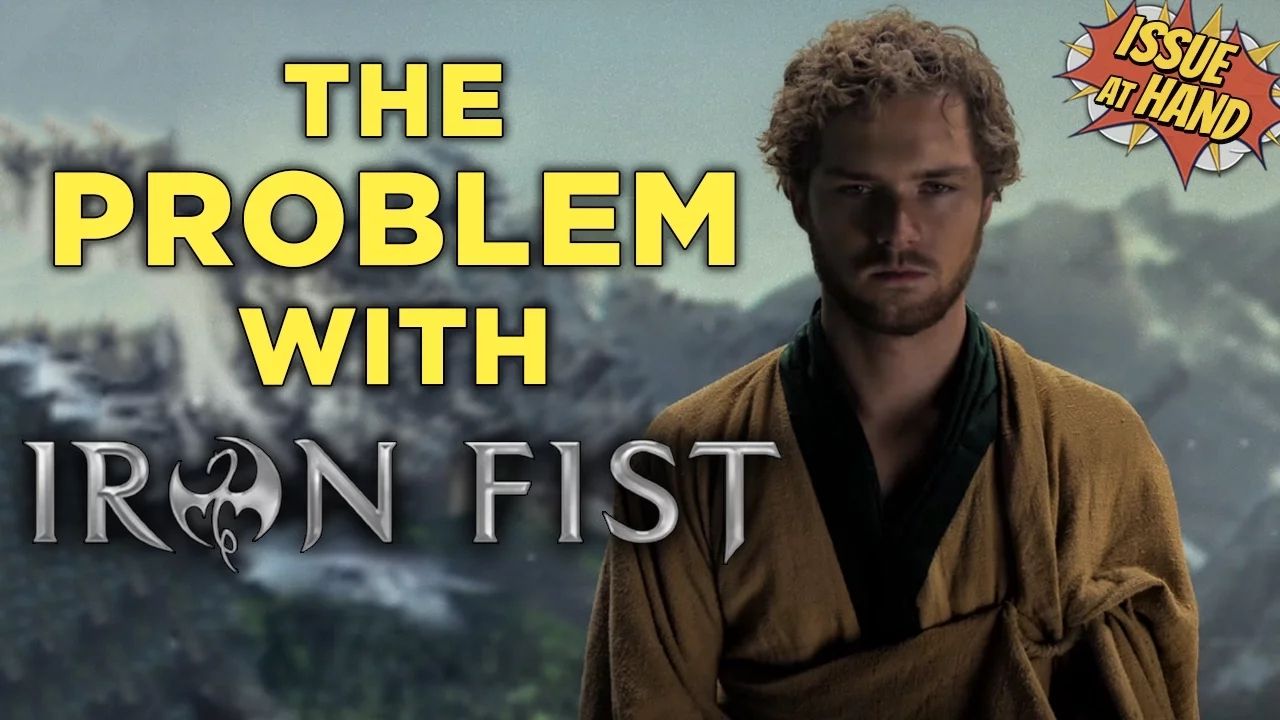
Netflix’s *Iron Fist* has ignited a heated cultural conversation, not just for its martial arts action or plot twists, but for its casting of Finn Jones as Danny Rand, a character originally depicted as white in Marvel Comics. The controversy centers on the racial identity of a superhero rooted in a narrative that once centered on a white man discovering ancient kung fu secrets in K’un-Lun—a fictional Himalayan city steeped in East Asian mysticism. Critics argue that the show’s handling of this legacy reflects broader industry issues around representation and cultural appropriation. Susana Polo of Polygon and Alex Abad-Santos of Vox dissect how the character’s history intersects with real-world racial dynamics, emphasizing why the choice to cast a white actor in a role tied to East Asian heritage feels out of step with modern audiences' expectations. The backlash underscores a growing demand for authenticity in storytelling, especially when it comes to marginalized cultures. Fans point to the original comics’ problematic portrayal of K’un-Lun as a mystical, exoticized space, often reinforcing Orientalist tropes. By casting a white protagonist, the series risks perpetuating these narratives rather than challenging them. This tension reveals deeper concerns about who gets to tell stories from other cultures—and whether those stories are told with respect or reductive stereotypes. As streaming platforms expand their superhero universes, decisions like Netflix’s *Iron Fist* casting serve as case studies in inclusive storytelling. The show’s reception highlights a shift in audience expectations: viewers now demand more than just spectacle—they want meaning, accuracy, and equity. Moving forward, creators must reckon with the cultural weight behind characters like Iron Fist, ensuring that diversity isn’t performative but purposeful. The debate is far from over—but it’s already reshaping what audiences expect from superhero media.