Legion and Runaways: How Marvel's TV Shows Deviate from Comics, and Why It Matters
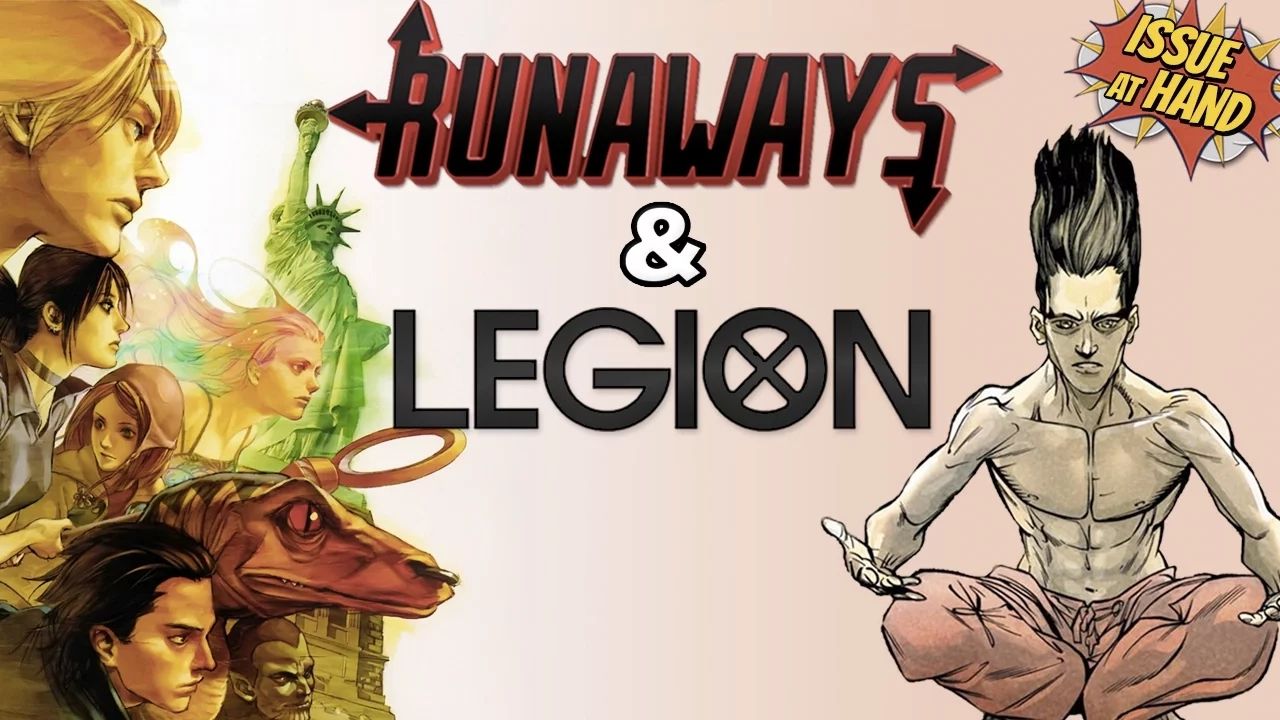
Marvel’s 'Legion' and 'Runaways' have captivated audiences with their bold storytelling and complex characters, but how closely do they follow their comic book origins? 'Legion,' starring Dan Stevens as David Haller—a mutant with fractured identity and powerful psychic abilities—draws from Chris Claremont and Bill Sienkiewicz’s seminal X-Men series, yet reimagines the narrative with psychological depth and surreal visuals. Meanwhile, 'Runaways,' led by Ryan Sands and Grace Kaufman as the teen rebels united by their parents’ secret villainous cult, adapts the original 2013 series by Brian K. Vaughan and Adrian Alphona, blending coming-of-age drama with superhero intrigue. Both shows expand on character backstories beyond the page, particularly exploring trauma, legacy, and rebellion in ways that resonate with modern viewers. The shift from comics to screen—especially the nuanced portrayal of mental health in 'Legion' and family betrayal in 'Runaways'—has redefined how audiences engage with Marvel’s extended universe. These adaptations matter because they transform niche source material into mainstream cultural touchstones, proving that even well-known franchises can evolve meaningfully. As streaming continues to shape storytelling, these series set a benchmark for faithful innovation in superhero media.