Gore Verbinski's BioShock Film Planned to Integrate Both Endings, Capturing Game's Thematic Depth
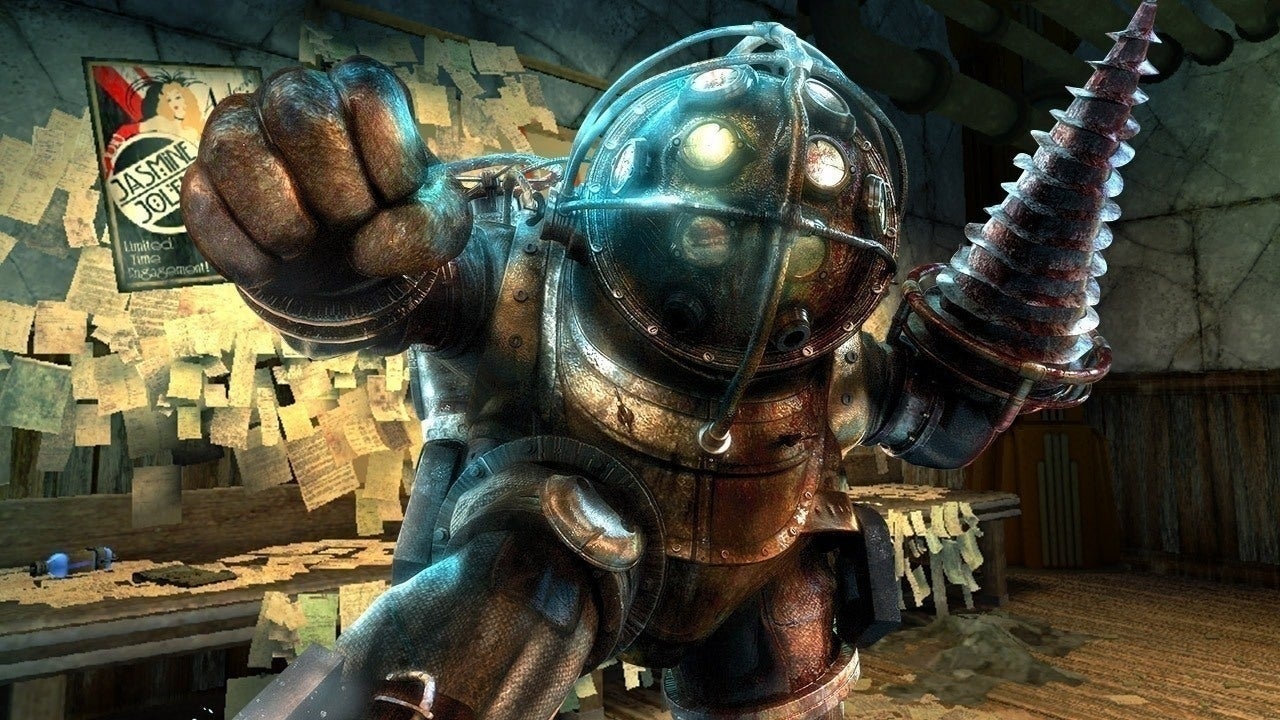
Director Gore Verbinski's unproduced BioShock film adaptation reportedly aimed to incorporate both of the original game's endings, a move designed to challenge and engage the audience. Verbinski, known for his visually rich "Pirates of the Caribbean" films, saw BioShock's complex narrative and philosophical themes as prime material for a cinematic retelling. The game's iconic underwater city of Rapture, its descent into chaos, and its exploration of free will and choice were central to its appeal. By intending to include both the "good" and "bad" endings, Verbinski signaled a desire to reflect the game's ambiguity and the player's impactful decisions, rather than simplifying them for a linear film narrative. This ambitious approach, while ultimately unrealized, highlights a potential direction for game adaptations that prioritize thematic resonance and audience intellectual engagement over conventional storytelling. The "choice" mechanic in BioShock was pivotal, and Verbinski's plan suggests he understood its significance. This unmade film remains a tantalizing 'what if' for fans, representing a truly auteur-driven adaptation that could have redefined the genre.