Good Luck, Have Fun, Don’t Die Review: A Masterclass in Tech-Fueled Existential Dread
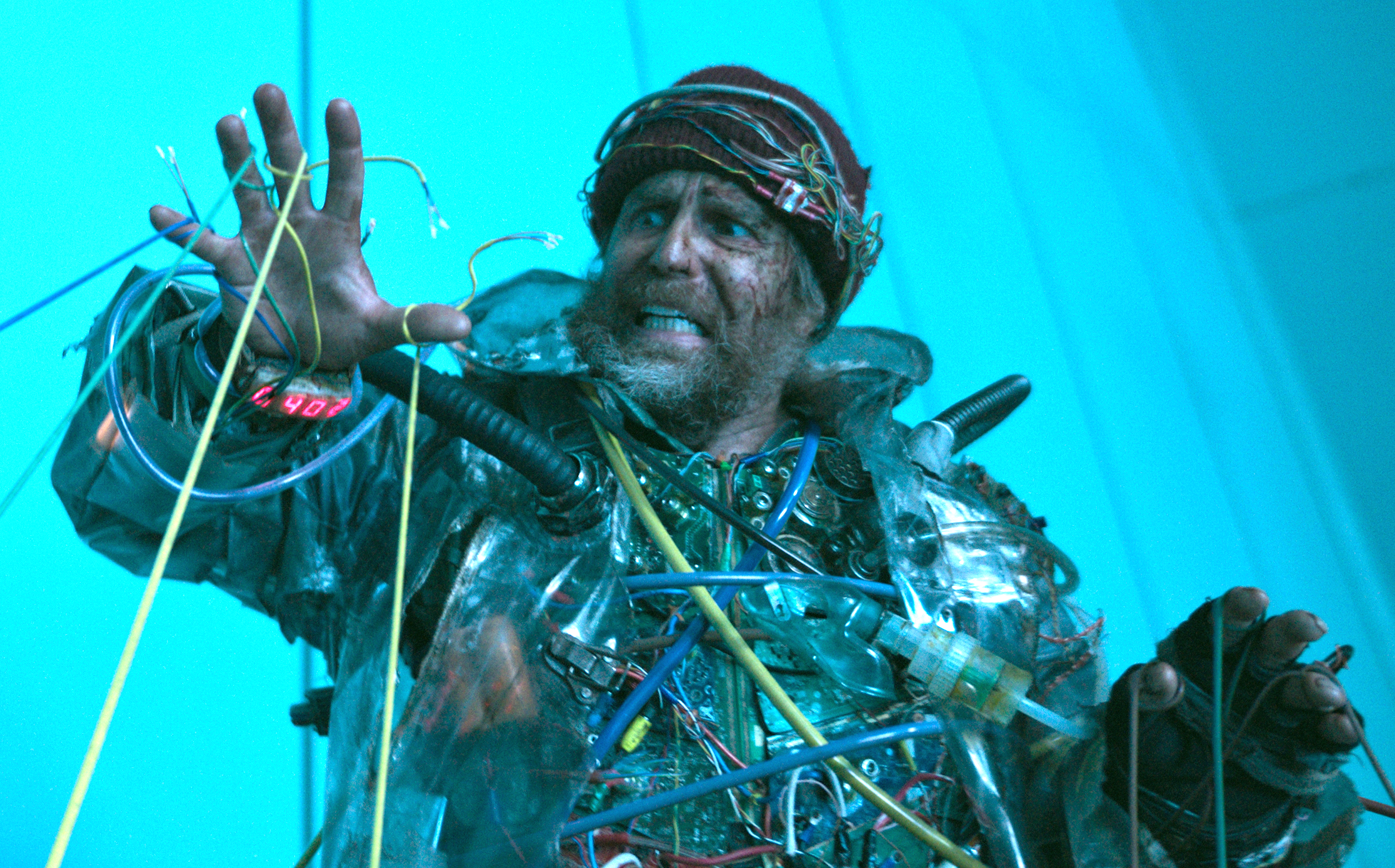
Gore Verbinski’s Good Luck, Have Fun, Don’t Die arrives as a breath of fresh air in the science fiction genre, seamlessly blending the high-stakes thrills of 1980s action cinema with the sharp, cynical social commentary of early Black Mirror episodes. While the film is undeniably influenced by the Terminator franchise, it avoids the pitfalls of generic imitation by infusing the narrative with a unique, kinetic energy and a biting satirical edge regarding our modern obsession with digital systems. The story follows a protagonist caught in an lethal, augmented-reality game, serving as a poignant metaphor for our current reliance on technology. Verbinski balances visceral action with deep-seated existential anxiety, creating a cinematic experience that is as thought-provoking as it is pulse-pounding. By blending practical aesthetics with modern storytelling, the film succeeds where many genre competitors fail, offering a resonant critique of the human condition that leaves the audience questioning the invisible rules governing their own digital lives.