Game of Thrones' Final Season on HBO Marks End of an Era for Global Pop Culture Phenomenon
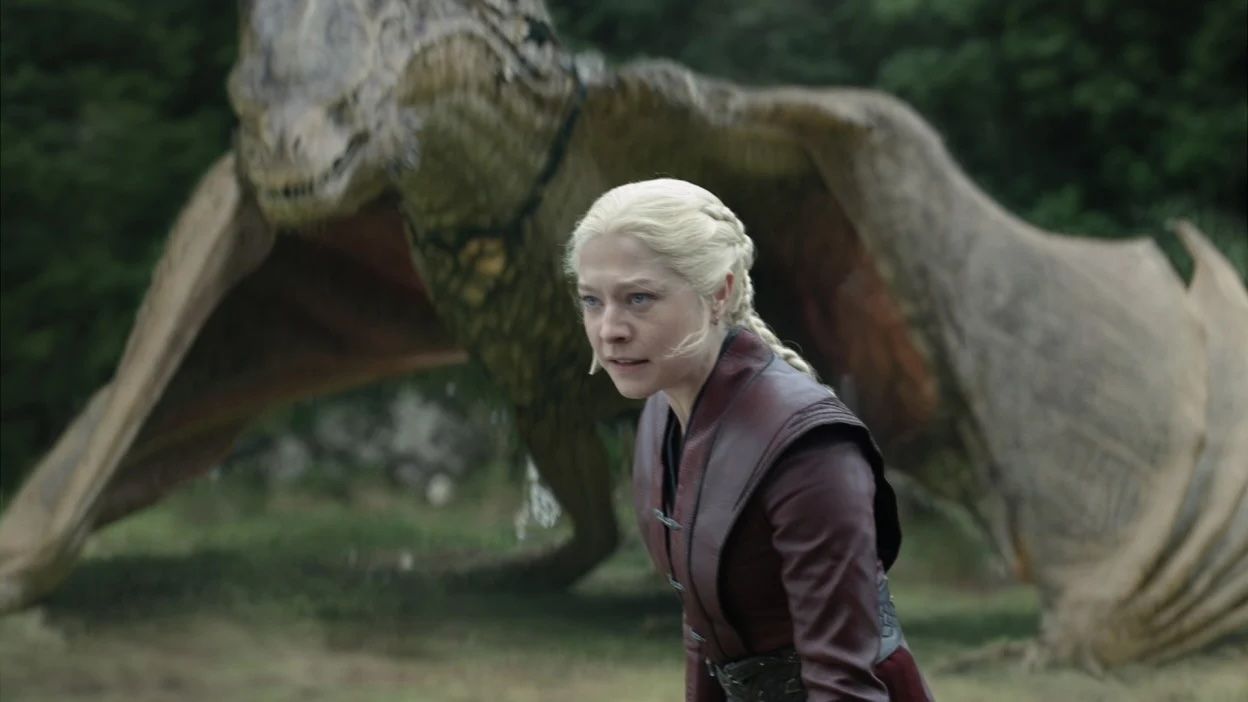
The conclusion of Game of Thrones’ final season on HBO has officially signaled the end of a cultural epoch that reshaped global entertainment. Since its debut in 2011, the series—based on George R.R. Martin’s A Song of Ice and Fire novels—became a worldwide phenomenon, drawing over 40 million viewers per episode at its peak and earning 59 Primetime Emmy Awards. With the release of Season 8 in 2019, HBO bid farewell to the epic fantasy saga that launched a generation of fan communities, merchandising empires, and tourism booms across filming locations like Northern Ireland, Croatia, and Spain. The show's legacy is cemented not only in record-breaking ratings but in how it redefined television storytelling on streaming platforms. Despite mixed critical reception toward the final season, the franchise’s influence remains undeniable. Its characters—Daenerys Targaryen (Emilia Clarke), Jon Snow (Kit Harington), Tyrion Lannister (Peter Dinklage), and Cersei Lannister (Lena Headey)—became household names, while HBO’s subscriber base surged by nearly 20% during the show’s run. The departure of the series marks a pivotal moment for the network as it shifts focus to new franchises like House of the Dragon, which launched in 2022 with strong viewership and critical acclaim. As fans reflect on the journey from King’s Landing to Winterfell, the end of Game of Thrones underscores a broader transformation in media consumption. The show proved that serialized storytelling could dominate digital platforms, setting a benchmark for future content. Now, with the original series concluded, the question remains: what will be the next defining chapter in streaming history? The era may be over—but the legend lives on.