Dracula 2026 Ending Explained: Luc Besson's Radical Rewrite of Vampire Lore
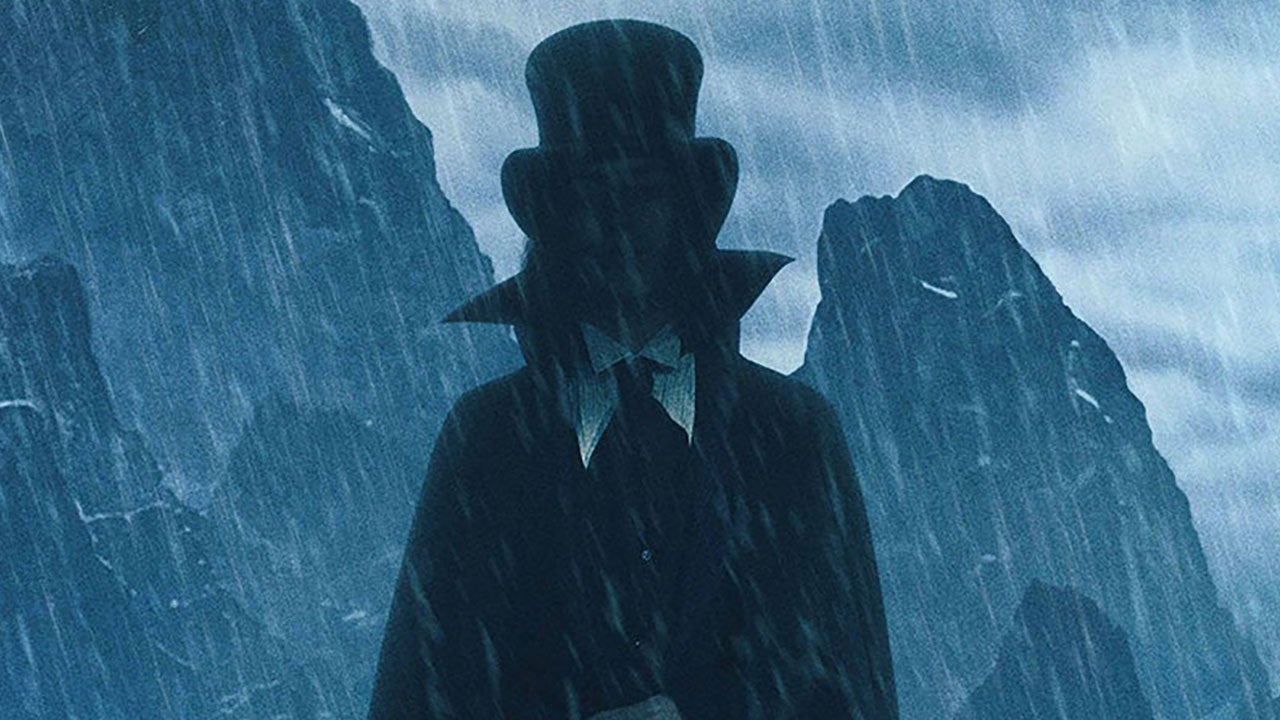
Luc Besson's "Dracula 2026," starring Caleb Landry Jones and Christoph Waltz, boldly reimagines Bram Stoker's classic vampire tale with a controversial ending. The film reportedly delves into a more complex, perhaps tragic, portrayal of Dracula, moving beyond simple villainy to explore themes of eternal burden. Besson's signature visual style is expected to infuse a contemporary European setting with gothic dread. The movie's climax deviates sharply from traditional Dracula narratives, offering an ambiguous and thought-provoking conclusion that questions the very nature of the vampire's existence and potential defeat. This bold reinterpretation aims to spark debate and offers a fresh perspective on a timeless myth, challenging audience expectations and potentially redefining vampire lore for a new generation. The film's success will depend on its balance of thematic depth and visceral horror.