34 Years Later, Calvin and Hobbes' Wisest Line Still Resonates: Why Laughter Endures
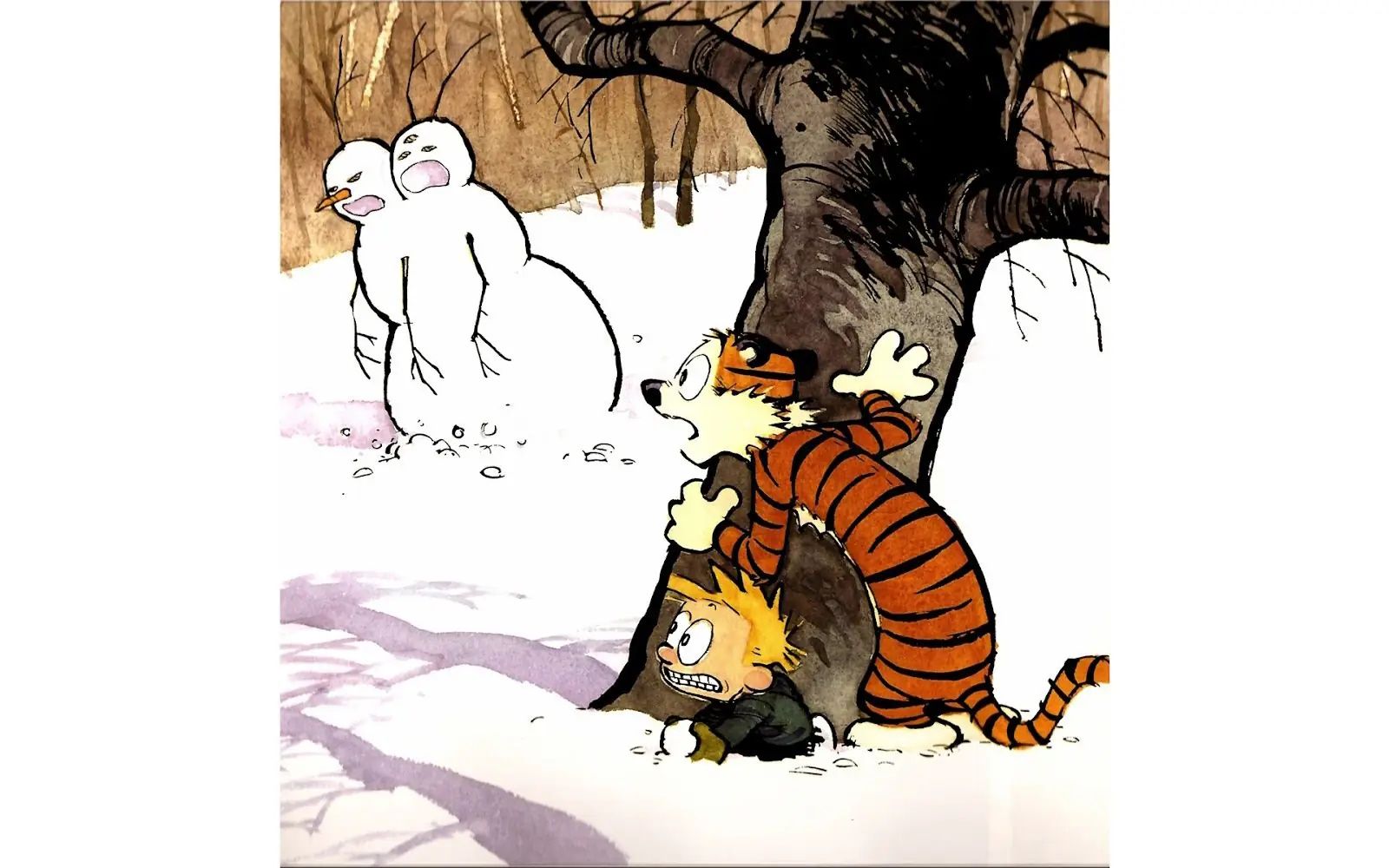
Bill Watterson's Calvin and Hobbes, which ended its decade-long run in 1995, left behind a treasure trove of philosophical insights wrapped in childhood whimsy. Among the strip's most memorable moments is a line that echoes Lord Byron's sentiment: 'And if I laugh at any mortal thing, 'tis that I may not weep.' This profound observation, delivered through the lens of a six-year-old and his stuffed tiger, captures the essence of using humor as a shield against life's sorrows. The quote, now 34 years old, continues to circulate widely on social media and in literary discussions, proving the timelessness of Watterson's wisdom. It matters because it distills a universal human coping mechanism—finding lightness in darkness—into a single, elegant sentence. As readers navigate an increasingly complex world, the reminder that laughter can coexist with grief offers both comfort and permission to feel joy amid struggle. The enduring popularity of this line underscores how Calvin and Hobbes transcended its medium to become a source of genuine philosophical reflection. In the end, Watterson's words remind us that sometimes the bravest act is not to avoid weeping, but to laugh anyway.