Paul Andrew Williams’ 'Faith' Struggles to Anchor Its Emotion, Despite Erin Doherty’s Haunting Performance
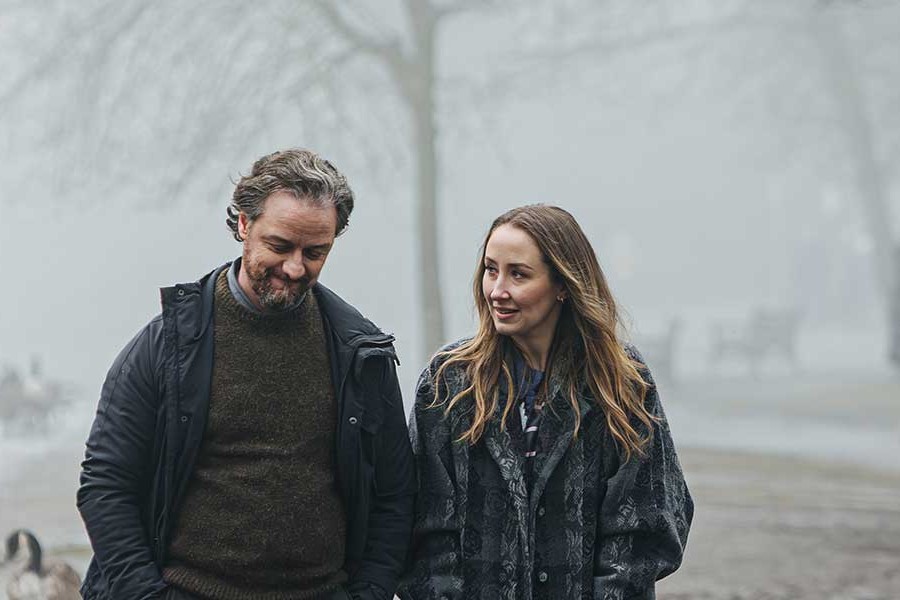
In his latest cinematic endeavor, Paul Andrew Williams returns to the British indie spotlight with 'Faith,' a deeply introspective drama that grapples with grief, memory, and spiritual uncertainty. Twenty years after his breakout film 'London to Brighton,' Williams continues to defy genre conventions—this time blending psychological realism with subtle supernatural undertones. At the heart of the film is Erin Doherty, whose raw, emotionally layered portrayal of a woman unraveling after personal loss has drawn widespread acclaim, earning her recognition as one of the most compelling performances in contemporary British cinema. Her character, named Faith, navigates a fragmented reality marked by haunting visions and unresolved trauma, all set against the atmospheric backdrop of rural England. Though the film’s visual style and moody score enhance its brooding tone, critics note that 'Faith' increasingly loses narrative cohesion as it progresses, leaving key emotional threads unresolved. The story's central mystery—whether Faith’s experiences are psychological, spiritual, or something else entirely—remains deliberately ambiguous, a choice that divides audiences and reviewers alike. While Williams’ commitment to artistic experimentation remains admirable, the film’s lack of structural clarity undermines its emotional impact, particularly when contrasted with Doherty’s powerhouse performance. The film marks a significant moment in both Williams’ career and the broader landscape of UK independent filmmaking, where intimate storytelling often clashes with commercial viability. With a runtime of 108 minutes and a limited theatrical release across the UK and select international markets, 'Faith' may not achieve mainstream success—but it stands as a bold, if uneven, testament to the power of vulnerability in cinema. As audiences reflect on its lingering questions, one thing is clear: Erin Doherty’s performance will endure long after the final frame.