Why Stationary Tiny Homes Are Outperforming City Apartments in Living Experience
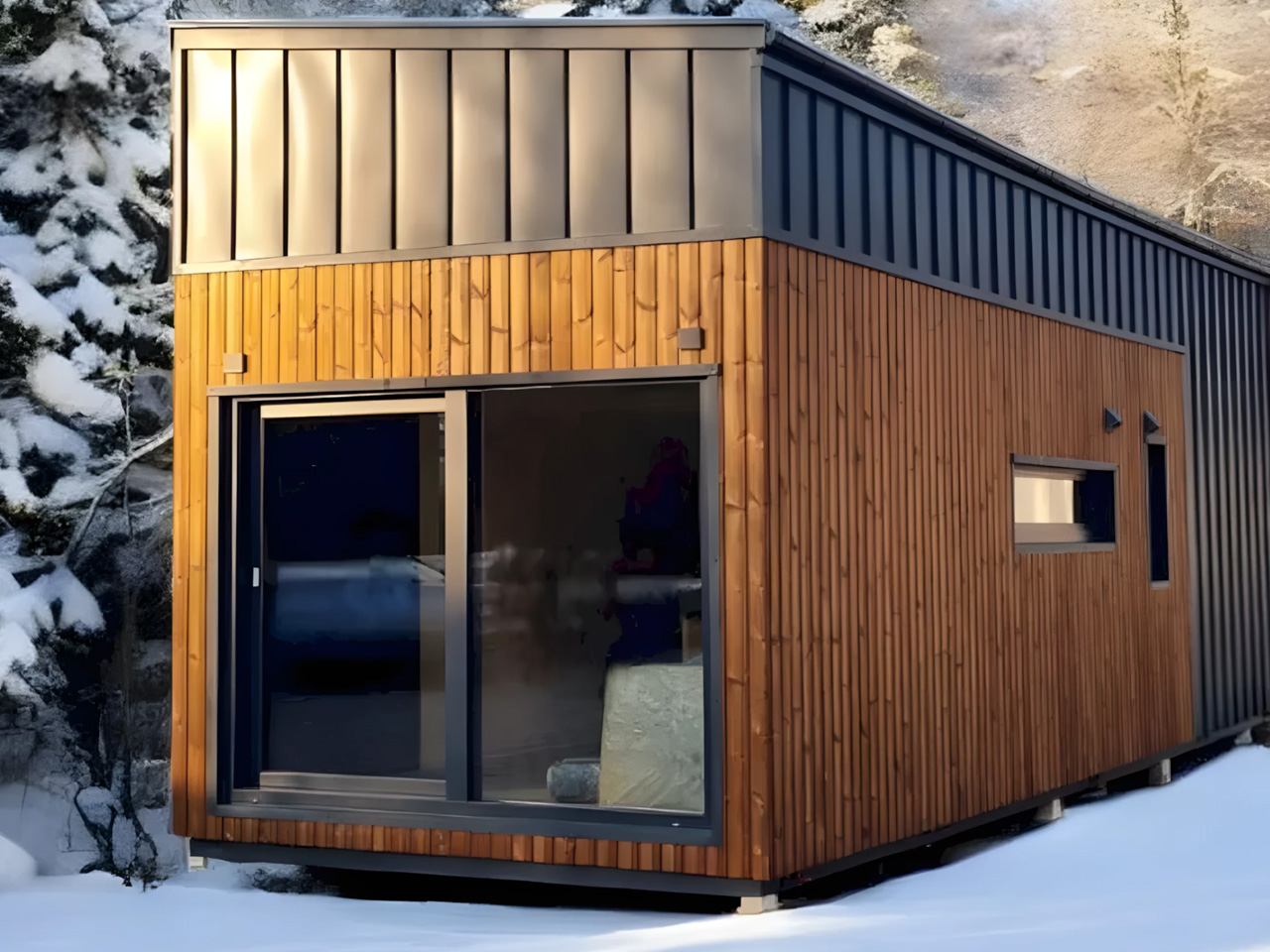
The tiny home movement is undergoing a significant transformation, moving away from the narrow, mobile constraints of the past toward permanent, stationary structures that offer unprecedented livability. By abandoning the requirement for road-legal mobility, architects are now designing homes that exceed the spatial utility of traditional city apartments. These new builds utilize widened floor plans, optimized storage, and biophilic design principles to provide a premium living experience that feels far larger than its actual footprint. As urban housing affordability remains a critical issue, these stationary units offer a sustainable, high-quality, and intentional alternative to standard real estate. This article explores the shift in design philosophy, the architectural advantages of stationary construction, and the potential impact these homes will have on future urban development, arguing that 'tiny' no longer implies a sacrifice in comfort or status, but rather a sophisticated evolution in residential living that prioritizes smart engineering over mere size.