South Korea Transforms Abandoned Wastewater Tanks into Dynamic Cultural Hub
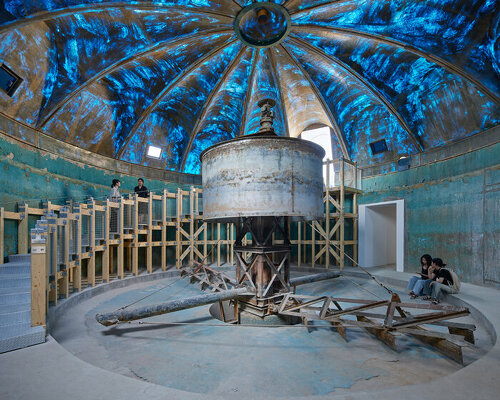
South Korea showcases a pioneering model of urban regeneration, where an abandoned wastewater treatment facility has been brilliantly reinvented as a bustling public cultural hub. This ambitious project, lauded for its innovative architectural design, takes what was once purely functional, industrial infrastructure and imbues it with new purpose and life. Central to this transformation are five colossal condensing tanks, formerly integral to the wastewater operations, which have been ingeniously converted into unique, engaging spaces. The design philosophy championed an open sequence of interconnected areas, fostering a fluid and inviting atmosphere that starkly contrasts with the site's previous utilitarian existence. These reimagined tanks now serve as a vibrant community focal point, hosting a diverse array of cultural activities and public events. This remarkable conversion not only revitalizes a disused urban landscape but also exemplifies a significant global trend: the adaptive reuse of forgotten or obsolete industrial structures. It powerfully demonstrates how such sites can be sustainably repurposed, offering immense societal value and becoming dynamic assets for contemporary communities.