The Great Conversion: How 90,000 Empty Offices Are Reshaping America’s Urban Housing Future
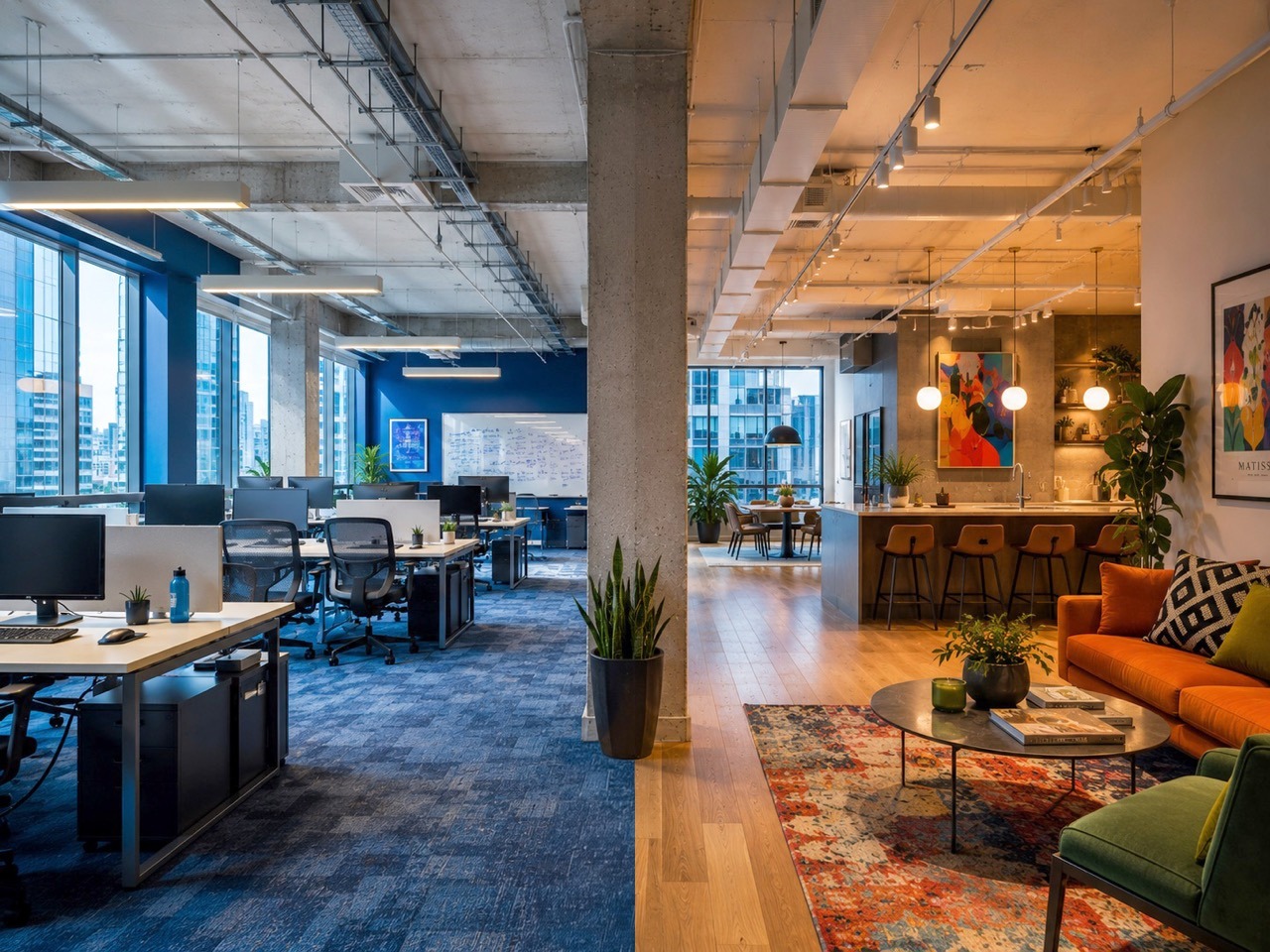
As hybrid work models leave downtown office towers increasingly vacant, a significant wave of "adaptive reuse" is transforming 90,300 former workplaces into residential apartments. This journalistic analysis explores the architectural, economic, and regulatory challenges facing developers as they pivot to meet the urgent national demand for housing. By exploring the engineering hurdles of retrofitting deep-core office structures, the environmental benefits of repurposing embedded carbon, and the evolution of municipal zoning laws, this article outlines how cities are shifting from rigid business hubs to vibrant, 24-hour living spaces. The report highlights that while conversion is capital-intensive and logistically complex, it remains a critical strategy for urban revitalization. The conclusion suggests that these hybrid building models—blending residential life with proximity to workplace infrastructure—will define the resilient, sustainable city of the future. By moving beyond traditional zoning boundaries, policymakers and developers are finding common ground in an effort to turn ghost towers into thriving neighborhoods.