UK Budget 2024 Explained: Tax Rises, NHS Boost, and What It Means for You
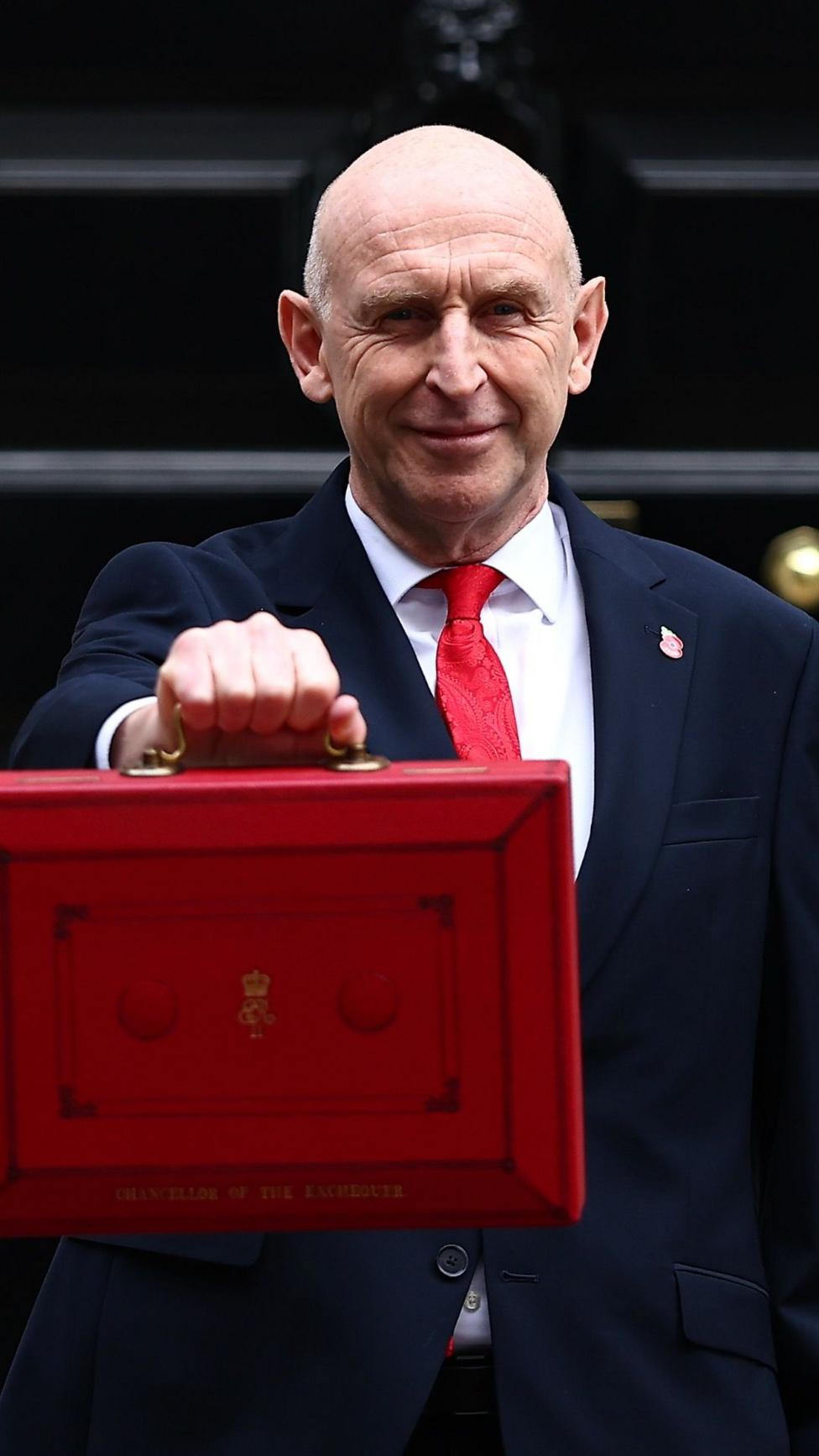
Chancellor Rachel Reeves has unveiled a landmark Budget, the first from a Labour government in 14 years, and the first ever delivered by a woman. It includes £40 billion in tax rises, with the biggest revenue raiser being an increase in employer National Insurance contributions, which will rise by 1.2 percentage points to 15% from April 2025. This move is expected to raise £25 billion a year, but businesses warn it could hit wages and hiring. The Budget also raises capital gains tax, closes inheritance tax loopholes, and ends the non-dom tax status, while freezing fuel duty and cutting draught beer duty by 1p. On spending, the NHS gets a £22.6 billion increase in day-to-day funding, and schools get £6.7 billion more, partly funded by ending tax breaks for private schools. The Office for Budget Responsibility says the Budget will boost near-term growth but leave GDP largely unchanged in five years. For households, the main direct tax rates are unchanged, but the freeze on income tax thresholds continues, dragging more people into higher bands as wages rise. The minimum wage will rise by 6.7% to £12.21 an hour, and the state pension will increase by 4.1% in line with the triple lock. The Chancellor says the tough choices are needed to 'fix the foundations' of the economy, but critics argue the tax burden will reach a historic high. The full impact will unfold over the coming months as households and businesses adjust to the new fiscal landscape.